What is chickenpox?
The Centre for Health Protection describes chickenpox as an acute infectious disease caused by the varicella-zoster virus, occurring mostly in children under twelve.
Fever and an itchy rash are the usual presentation. The rash emerges over about five days, starting on the trunk and spreading to the face and limbs. It is flat at first, then raised into small blisters which last three to four days before drying and crusting. Recovery generally takes two to four weeks.
Almost everyone is immune for life after chickenpox, but the virus can lie dormant in the body and reactivate years later as herpes zoster — shingles, 生蛇 in Cantonese. Childhood chickenpox and adult shingles are therefore not two unrelated illnesses but two stages of the same virus.
How long is the incubation and contagious period?
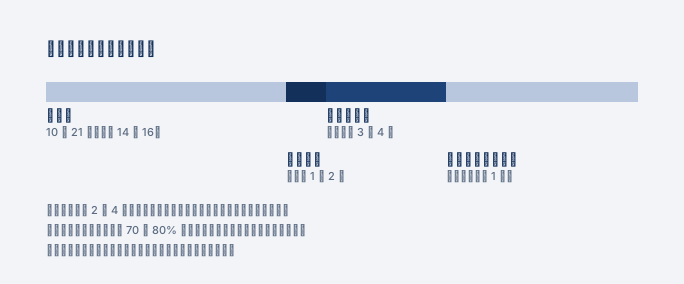
The Centre for Health Protection gives an incubation period of ten to twenty-one days, usually fourteen to sixteen. A patient is infectious from one to two days before the rash appears until all the blisters have dried, and is most infectious in the early days of the rash.
| Stage | Timing | What it means for a parent |
|---|---|---|
| Incubation | 10 to 21 days, usually 14 to 16 | A rash two weeks after exposure is normal; there is no way to be sure in between |
| Becomes infectious | 1 to 2 days before the rash | The child can pass it on before anyone sees a rash |
| Most infectious | The early days of the rash | The Centre for Health Protection calls chickenpox extremely infectious |
| No longer infectious / may return | When all blisters have dried, usually about a week after the rash | The test is the state of the blisters, not a number of days |