ok.med

Hand, foot and mouth disease

652 Paediatrics doctors in Hong Kong →

Also known as: HFMD · Enterovirus 71 infection ·

Hand, foot and mouth disease is a common viral infection of childhood caused by enteroviruses, with an incubation period of about three to six days. Most children have mild symptoms and recover on their own within seven to ten days. There is no specific medicine for it and no vaccine; care is about easing symptoms and preventing spread.

Hong Kong has 652 registered Paediatrics doctors.

Source: Medical Council of Hong Kong register · read 2026-09-20

ok.med editorial team ·
Compiled by the editorial team from the sources listed below. Not reviewed by an individual doctor.

What is hand, foot and mouth disease?

It is a common childhood illness. The Centre for Health Protection states that it is usually caused by enteroviruses such as coxsackievirus and enterovirus 71.

It begins with fever, poor appetite, tiredness and sore throat, followed by ulcers in the mouth and a rash on the palms and soles. The Centre for Health Protection notes that most patients have mild symptoms and recover on their own within seven to ten days.

The Centre for Health Protection’s leaflet is more specific: one to two days after the fever, painful sores may appear in the mouth, starting as small red spots and blisters and then becoming ulcers, usually on the tongue, the gums and the insides of the cheeks. A rash — not itchy, sometimes with small blisters — appears on the palms and soles, and may extend to the buttocks and genitals.

Some children have no symptoms at all, or only the rash or only the mouth ulcers. After recovery the body carries antibodies to that particular enterovirus, but a child can still catch hand, foot and mouth disease caused by a different one — which is why the same child may have it more than once.

Among the enteroviruses, enterovirus 71 draws particular attention because it is more likely to cause serious complications — viral meningitis, encephalitis and polio-like paralysis, and in rare cases death. This is not the usual outcome, but it is why the warning signs below are set out.

How long is the incubation and contagious period?

The Centre for Health Protection puts the incubation period at about three to six days. A patient is most infectious during the first week of illness, and the virus can be shed in the faeces for several weeks.

Timeline: from exposure to returning to school
StageTimingWhat it means for a parent
IncubationAbout 3 to 6 daysNo symptoms in the first few days after exposure does not mean the child is clear
Most infectiousThe first week of illnessKeep the child at home during this week to avoid passing it on
Usual recoveryRecovers on its own within 7 to 10 daysMost cases are mild and need no specific medicine
Virus still shedIn the faeces for several weeksEven after recovery, handwashing after nappy changes and the toilet still matters

Medical Council of Hong Kong register

652 Paediatrics doctors in Hong Kong

All 652 ›

The doctors below are listed from the Medical Council of Hong Kong register. This is not a recommendation, and says nothing about outcomes for this condition. Ask the doctor directly.

These are Medical Council registration details, ordered by registration number. ok.med does not rate or recommend doctors, and holds no outcome or satisfaction data.

On ranking, we tell you the truth — today the order follows the Medical Council register. No scores, no sponsored places.

Our algorithm cares about one thing: whether this doctor is most useful to the patient. We publish the rules because trust should never rest on vagueness.

No doctor can pay for a higher ranking.

How is spread prevented?

The Centre for Health Protection states that there is still no vaccine. Prevention rests on personal and environmental hygiene: washing hands with liquid soap and water, and cleaning and disinfecting frequently touched surfaces.

Because the virus spreads through nasal and throat secretions, saliva, fluid from broken blisters and faeces — and through touching contaminated objects — cleaning and handwashing at home and at school do more to decide whether anyone else catches it than any medicine can.

How is enterovirus 71 different?

The Centre for Health Protection states that enterovirus 71 infection usually affects young children and can lead to more serious conditions — viral meningitis, encephalitis, polio-like paralysis and myocarditis.

It spreads the same way as other enteroviruses, but the virus can continue to be shed in the faeces for several weeks, so the period over which it can be passed on is longer. That is why the return-to-school arrangement differs from ordinary HFMD, and why hygiene at home still matters after the symptoms have gone.

The signs the Centre tells parents to seek care for at once:

  • Persistent high fever
  • Repeated vomiting
  • Persistent lethargy
  • Muscle twitching
  • Sudden limb weakness

None of these fits the ordinary course of hand, foot and mouth disease, which is why they are worth remembering separately.

At a glance

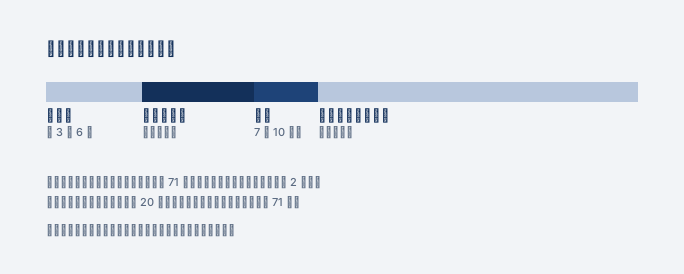
Hand, foot and mouth disease timeline: i

Hand, foot and mouth disease timeline: incubation about 3 to 6 days, most infectious in the first week of illness, recovery within 7 to 10 days, with the virus still shed in the faeces for several weeks.
Data: Centre for Health Protection · Read the original ›

How should a home be cleaned and disinfected?

The Centre for Health Protection gives ratios rather than general advice: ordinary surfaces with household bleach diluted 1 to 99, areas soiled by bodily fluids with 1 to 49. Both are left 15 to 30 minutes, then rinsed with water and wiped dry.

The point most easily missed: an alcohol hand rub does not replace soap and water. The Centre for Health Protection states plainly that alcohol does not effectively kill some of the viruses that cause HFMD, enterovirus 71 among them. Wash with liquid soap and water, rubbing for at least twenty seconds, then rinse and dry.

Diluted bleach loses effectiveness over time and should be used within twenty-four hours of dilution. Undiluted bleach gives off toxic gas in sunlight and must be stored somewhere cool and out of children’s reach.

Disinfection ratios as given by the Centre for Health Protection
SituationDilutionMethod
Frequently touched surfaces (furniture, toys, shared items)1 to 99 (one part 5.25% sodium hypochlorite bleach to 99 parts water)Leave 15 to 30 minutes, then rinse with water and wipe dry
Areas soiled by secretions, vomit or faeces1 to 49 (one part 5.25% bleach to 49 parts water)Clear visible soiling with a disposable absorbent wipe first, then disinfect the area and around it
HandwashingLiquid soap and water, rubbing at least 20 secondsAn alcohol rub is not a substitute — alcohol does not effectively kill EV71

When can a child return to school?

The Centre for Health Protection’s test is not a number of days but the state of the blisters: a sick child should stay away from school and group activities until all the blisters have dried up.

Where the infection is due to enterovirus 71 the bar is higher: the child must have fully recovered — fever and rash gone, and all blisters dried and crusted — and then stay home for a further two weeks before returning.

During an outbreak in a school or institution, the Centre for Health Protection advises against group activities and recommends limiting staff movement, keeping the same staff with the same group of children where possible. The actual arrangement should follow the school’s and the doctor’s instructions.

When is the peak season in Hong Kong?

Hand, foot and mouth disease has a clear season in Hong Kong, and the return-to-school advice differs where enterovirus 71 is involved. Both are questions local parents ask most and that overseas pages cannot answer.

  • The Centre for Health Protection states that the peak season generally runs from May to July, with a second peak possible from October to December.Centre for Health Protection: Hand, Foot and Mouth Disease · read · (source)
  • The Centre for Health Protection states that there is no medicine that treats hand, foot and mouth disease; care consists of fluids, rest and easing symptoms. There is also still no vaccine.Centre for Health Protection: Hand, Foot and Mouth Disease · read · (source)
  • For a child infected with enterovirus 71, the Centre for Health Protection advises staying home for a further two weeks after full recovery before returning to school.Centre for Health Protection: Hand, Foot and Mouth Disease · read · (source)
  • Enterovirus 71 is more likely to lead to serious complications, including viral meningitis, encephalitis and polio-like paralysis, and in rare cases death.Centre for Health Protection: Prevention of HFMD and Enterovirus 71 Infection · read · (source)

When should a child be seen urgently?

  • A persistent high fever, or fever that has not settled after three days.
  • Drowsiness, listlessness, persistent vomiting or a marked change in behaviour.
  • Limb weakness, jerking or trembling of the limbs, or unsteadiness — the serious complications of enterovirus 71 include encephalitis and polio-like paralysis.
  • Fast or laboured breathing.
  • Refusing fluids because of mouth ulcers, or signs of dehydration such as much less urine, dry cracked lips, or crying without tears.

Each has its own page and doctor list

Frequently asked questions

How long does it take to get better?
The Centre for Health Protection states that most patients have mild symptoms and recover on their own within seven to ten days.
Is there a medicine for it?
No. The Centre for Health Protection states plainly that there is no medicine that treats it. Care is fluids, rest, and medicines to ease symptoms as a doctor directs. There is no vaccine either.
Can adults catch it?
Yes. Although it is common in children, adults can be infected too. A parent caring for a sick child has more contact with secretions and faeces, so the same handwashing applies.
When can a child go back to school?
A child is most infectious in the first week of illness and should stay home then. Where enterovirus 71 is confirmed, the Centre for Health Protection advises a further two weeks at home after full recovery. The actual arrangement should follow the school’s and the doctor’s instructions.
Is a recovered child still infectious?
The virus can be shed in the faeces for several weeks, so handwashing after the toilet, after nappy changes and before eating should continue even once the symptoms have gone.
Can a child get it twice?
Yes. Several different enteroviruses cause it, and immunity to one does not mean immunity to the others, so a second episode is possible.

Sources

  1. Centre for Health Protection health topic: hand, foot and mouth disease — cause, incubation, symptoms, transmission, management and prevention. Centre for Health Protection, Department of Health ()
  2. Centre for Health Protection feature: prevention of HFMD and enterovirus 71 infection — peak season, complications and prevention. Centre for Health Protection, Department of Health ()
  3. Centre for Health Protection health topic: enterovirus 71 infection — how it differs from ordinary HFMD, the serious outcomes, and the signs needing immediate medical attention. Centre for Health Protection, Department of Health ()
  4. Centre for Health Protection communicable disease leaflet: hand, foot and mouth disease (revised August 2026) — disinfection ratios, handwashing and the return-to-school test. Centre for Health Protection, Department of Health ()

This page is compiled from the Hong Kong official sources listed above. It is general information only — not a diagnosis, a treatment recommendation or medical advice, and no substitute for seeing a doctor. If you are unsure or your condition changes, consult a registered doctor.