How is shingles related to chickenpox?
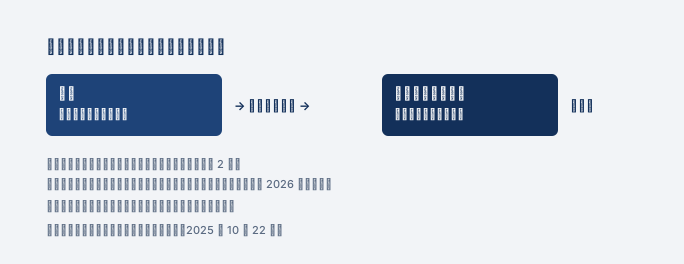
It is the same virus. The Centre for Health Protection states that after chickenpox resolves the varicella-zoster virus lies dormant in the nervous system, and years later, as immunity falls, it may reactivate to produce herpes zoster — shingles.
Two practical consequences follow. First, shingles is not a new infection but an old virus becoming active again, so it is not caught from someone else. Second, only those who have had chickenpox can develop it — and the Centre notes that while almost everyone is immune for life after chickenpox, the virus itself remains in the body.
What does shingles look like?
The Centre describes it as a painful, band-shaped rash with blisters. The band is the key feature: the rash follows a nerve and usually appears on one side of the body only.
The Centre also states that it is generally not severe, and that the risk of serious complications or death is not high. That is worth stating, because shingles is often described colloquially as extremely dangerous, and the official assessment differs — the risk is real but not every case is serious.
| Chickenpox | Shingles (herpes zoster) | |
|---|---|---|
| When | First infection, mostly in children under twelve | Years later, when immunity falls and the virus reactivates |
| Rash | Spreads from the trunk to the face and limbs | Band-shaped, following a nerve, usually one-sided |
| Contagious | Highly infectious, from 1 to 2 days before the rash until blisters dry | Not caught from others; but blister fluid can give chickenpox to someone without immunity |
| Vaccine | In the Hong Kong Childhood Immunisation Programme, two doses | Not in any government-subsidised programme |