How is flu different from a cold?
The Centre for Health Protection describes seasonal influenza as an acute respiratory illness caused by influenza viruses. Symptoms include fever, cough, sore throat, runny nose, muscle and joint aches, tiredness and headache, and sometimes vomiting and diarrhoea.
Two subtypes of seasonal influenza A circulate in humans — A(H1N1)pdm09 and A(H3N2) — alongside influenza B and C. What is spoken of as “flu A” and “flu B” refers to these types rather than to two different diseases.
Compared with an ordinary cold, the systemic symptoms of flu are usually more pronounced — muscle and joint aches, fatigue and headache are more common — and the risk of complications is higher. Telling them apart is a clinical judgement and this page is no substitute for one.
The reason the vaccine is repeated every year lies in the virus. The Centre for Health Protection explains that antigenic drift — small changes — produces new strains of seasonal influenza virus, and that new strains emerge without a pattern; so the World Health Organization recommends the composition of the vaccine for each season. Last year’s vaccine, in other words, is not necessarily aimed at this year’s circulating strains.
Seasonal influenza and a pandemic are also worth separating. The Centre states that when a novel influenza virus undergoes antigenic shift — a major change — and becomes able to spread efficiently between people, a pandemic strain emerges; human immunity to it is limited or absent, so it spreads faster and further than seasonal flu. Pandemics have occurred roughly every 10 to 50 years, and the timing of the next cannot be predicted.
What are the symptoms, and how long do they last?
The Centre for Health Protection states that a healthy person with seasonal influenza usually recovers in a few days to two weeks. Symptoms can include fever, cough, sore throat, runny nose, muscle and joint aches, tiredness and headache, and sometimes vomiting and diarrhoea.
The span from a few days to two weeks is the most useful sentence here, because it answers two opposite worries at once: still being unwell on day three or four is not unusual, while going beyond two weeks is outside what is ordinarily expected. The Centre adds that if symptoms persist or worsen, seek medical attention at once.
Vomiting and diarrhoea are on the same list of symptoms, and that is worth stating on its own because they are often taken for a stomach bug rather than flu. The incubation period is generally about one to four days; the virus spreads mainly in droplets produced when a patient coughs, sneezes or talks, and also by direct contact with their secretions.
The Centre is direct about what to do while ill: anyone with flu symptoms should not go to work or school, and those with milder symptoms should rest and drink plenty of fluids. That is both treatment advice and a measure to keep the illness away from people at higher risk.
When does flu peak in Hong Kong?
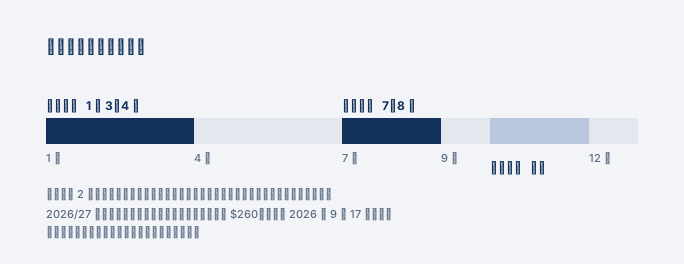
The Centre for Health Protection states that in Hong Kong influenza generally circulates most in January to March or April, and in July and August. Hong Kong has two peaks, unlike temperate places with only a winter one.
Two peaks matter in practice: vaccination is generally advised in autumn, and it takes about two weeks after the injection for enough antibodies to develop. Getting vaccinated after a winter wave has already begun may not provide protection in time for that wave.
| Period | What the Centre states | What it means in practice |
|---|---|---|
| Winter peak | Circulates most January to March or April | Vaccination should be completed before this, not started during it |
| Summer peak | Circulates most in July and August | Unlike temperate places, summer also warrants attention here |
| When to vaccinate | Generally advised in autumn each year | Once a year, because the strains in the vaccine are updated |
| Protection develops | About two weeks after the injection | You are not protected on the day of the jab |