ok.med

Also known as: Asthma (clinical term) · Bronchial hypersensitivity · Wheezing ·

The Student Health Service describes asthma as a disease of bronchial hypersensitivity, in which the airways are readily irritated into narrowing, producing wheeze, chest tightness and cough, with breathing difficulty when severe. Note that "sensitive airways" is everyday language, not a diagnosis: a persistent cough has more than one possible cause, and whether it is asthma is for a doctor to determine. Health Bureau material puts asthma in Hong Kong children at about 8–10%.

Hong Kong has 219 registered Respiratory Medicine doctors.

Source: Medical Council of Hong Kong register · read 2026-09-21

ok.med editorial team ·
Compiled by the editorial team from the sources listed below. Not reviewed by an individual doctor.

Are sensitive airways and asthma the same thing?

Not quite. The Student Health Service defines asthma as a disease of bronchial hypersensitivity, in which the airways are readily irritated into narrowing. "Sensitive airways" describes that reaction — but it is everyday language, not a diagnosis.

The distinction matters because in Hong Kong a cough lingering after a cold, a smoker’s cough, acid reflux and post-nasal drip are all casually called sensitive airways. Some of those are asthma and some are not, and they are managed quite differently. Treating the terms as synonyms amounts to giving yourself a diagnosis nobody made.

This page sets out what the official material describes as asthma, and what the everyday term covers. A diagnosis requires a doctor to weigh history, signs and testing together, and this page is no substitute for that.

What are the signs?

The Student Health Service lists wheeze, chest tightness and cough, with breathing difficulty when severe. Health Bureau material for children draws a finer distinction between two airway noises: one produced on breathing out, the other on breathing in.

The Health Bureau states that the course of asthma varies greatly, and that signs may persist or recur over months or even years. That explains why it is easily overlooked: it is not one illness followed by recovery but a pattern of better and worse spells, and the better spells are readily mistaken for the end of it.

How does this cough differ from a cold cough?

The difference is duration and pattern rather than the sound of it. A cough from a cold settles as the infection clears; the Health Bureau states that asthma signs may persist or recur over months or years, and lists upper respiratory infection among the things that set an attack off.

A cold, in other words, can be the trigger rather than the explanation. A cough that runs unusually long after every cold, or that worsens at night, after exercise, or on contact with cold air, is a pattern worth raising with a doctor — because those are precisely the triggers the official material lists.

This page will not tell you whether it is asthma. A persistent cough has several possible causes, some of them nothing to do with the airways, and telling them apart needs examination rather than a checklist.
Medical Council of Hong Kong register

219 Respiratory Medicine doctors in Hong Kong

All 219 ›

The doctors below are listed from the Medical Council of Hong Kong register. This is not a recommendation, and says nothing about outcomes for this condition. Ask the doctor directly.

These are Medical Council registration details, ordered by registration number. ok.med does not rate or recommend doctors, and holds no outcome or satisfaction data.

On ranking, we tell you the truth — today the order follows the Medical Council register. No scores, no sponsored places.

Our algorithm cares about one thing: whether this doctor is most useful to the patient. We publish the rules because trust should never rest on vagueness.

No doctor can pay for a higher ranking.

What triggers it?

The Student Health Service lists dust mites, pet hair and droppings, and pollen; vehicle exhaust, construction dust and cigarette smoke; cold air and abrupt temperature change; foods or medicines that provoke allergy; respiratory infection; emotional stress; and vigorous exercise.

The triggers the Health Bureau’s material for children lists:

  • Upper respiratory infection
  • Allergen contact
  • Cold air
  • Weather change
  • Exercise
  • Emotion
  • Certain medicines

It adds that the cause of asthma is not fully understood, is believed to involve both inherited and environmental factors, and that a family history raises the chance of developing it.

Several of these are particularly concrete in Hong Kong: the gap between air conditioning and outdoors, dust mites in humid weather, and urban vehicle exhaust and construction dust. Noticing which situations your own episodes cluster around is more useful than memorising the whole list.

How common is asthma in Hong Kong?

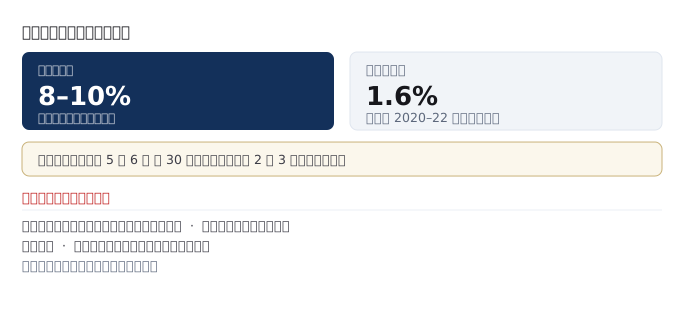
Health Bureau material puts asthma in Hong Kong children at about 8–10%. The Department of Health’s 2020–22 Population Health Survey found an adult prevalence of about 1.6%.

Put side by side, those two figures make the point most useful to a parent: in Hong Kong asthma is predominantly a childhood condition, running roughly five to six times higher in children than in adults. In a primary class of thirty, that proportion averages two or three affected pupils.

Asthma in Hong Kong (Health Bureau, and the Department of Health Population Health Survey)
GroupRateSource
ChildrenAbout 8–10%Health Bureau primary care child health material
AdultsAbout 1.6%Department of Health Population Health Survey 2020–22

What should be done during an attack?

The Student Health Service states: take additional bronchodilator as directed by the doctor; where an inhaler device is available, using it is generally the most direct and effective route. If symptoms do not improve, take the patient to a nearby clinic or the emergency department at once.

As directed by the doctor is the premise of that sentence, not a footnote. This page recommends no medicine, dose or device and compares no inhalers — prescribing and technique belong in a consultation, and ok.med has no medical reviewer. Breathing difficulty without a prescription in hand calls for medical attention, not someone else’s medicine.

The Health Bureau also sets out three conditions under which a child can be cared for at home: the situation eases after medicine; the child can still move about normally; and the child sleeps normally and well. If any one of those does not hold, the situation should be reassessed.

At a glance

Asthma in Hong Kong: about 8–10% of chil

Asthma in Hong Kong: about 8–10% of children and about 1.6% of adults, roughly five to six times higher in children. Triggers include dust mites, pet hair, pollen, vehicle exhaust, construction dust, cigarette smoke, cold air and abrupt temperature change, allergenic foods or medicines, respiratory infection, emotional stress and vigorous exercise. Four situations calling for the emergency department: only single words, confusion or extreme agitation, lips turning blue, and breathing difficulty not improving after reliever medicine.
Data: Student Health Service and Health Bureau primary care · Read the original ›

What does a child’s school need to know?

The Student Health Service makes three recommendations: ensure the child can use the inhaler device correctly; have the child carry a medical record card at all times; and inform the school about the condition.

The three belong together because an attack will not necessarily happen at home. A pupil who can use the device, carries a record card and whose school knows will be handled very differently in a classroom episode from one where none of the three is true — particularly when vigorous exercise is among the triggers.

Which specialty deals with this?

Respiratory medicine for adults and paediatrics for children, with a family doctor usually the first point of contact and the person who refers onward where needed.

Because the rate in Hong Kong children far exceeds that in adults, paediatrics carries much of this subject; separate specialty pages list the registered doctors in each. A first episode of persistent cough or wheeze, or recurring signs, should be assessed by a doctor — sensitive airways is a description, not a diagnosis, and only examination separates the two.

What do the Hong Kong authorities say?

Two complementary sets of official material cover asthma in Hong Kong: the Department of Health’s Student Health Service, addressed to pupils and parents, and Health Bureau primary care material, addressed to the consultation. Each item below carries its source and the date it was read.

  • The Student Health Service states that asthma is a disease of bronchial hypersensitivity in which the airways are readily irritated into narrowing, producing wheeze, chest tightness and cough; when severe, the patient has difficulty breathing.Student Health Service, Department of Health: understanding asthma · read · (source)
  • The Student Health Service lists as triggers: dust mites, pet hair and droppings, pollen; vehicle exhaust, construction dust, cigarette smoke; cold air and abrupt temperature change; foods or medicines provoking allergy; respiratory infection; emotional stress; and vigorous exercise.Student Health Service, Department of Health: understanding asthma · read · (source)
  • Health Bureau primary care material on child health states that asthma is a recurring disease affecting about 8–10% of Hong Kong children, with cough, wheeze on breathing out, wheeze on breathing in, chest tightness and breathing difficulty among the signs.Health Bureau primary care: child health — asthma · read · (source)
  • The Health Bureau sets out four situations calling for the emergency department without delay: unable to speak a sentence and managing only single words; confusion or extreme agitation; lips turning blue; and breathing difficulty that does not improve after reliever medicine. It states that delay in dealing with severe asthma symptoms may lead to respiratory failure or death.Health Bureau primary care: child health — asthma · read · (source)
  • The July 2017 issue of NCD Watch, published by the Centre for Health Protection’s Non-communicable Disease Division, was devoted to asthma; the Centre’s 2020–22 Population Health Survey found an adult asthma prevalence of about 1.6%.Centre for Health Protection: NCD Watch, July 2017 · read · (source)

Which situations mean the emergency department?

  • Difficulty speaking, without breath enough for a sentence and able to manage only single words — listed by the Health Bureau as a reason to go to the emergency department at once.
  • Confusion, or extreme agitation.
  • Lips turning blue.
  • Breathing difficulty that does not improve after using reliever medicine.
  • The Health Bureau advises bringing medication details and the medical record; and states that delay in dealing with severe asthma symptoms may lead to respiratory failure or death.

Each has its own page and doctor list

Frequently asked questions

Are sensitive airways the same as asthma?
Not necessarily. The Student Health Service defines asthma as a disease of bronchial hypersensitivity, while "sensitive airways" is everyday language for that reaction. A lingering cough after a cold, a smoker’s cough, reflux and post-nasal drip all get called the same thing. Diagnosis is for a doctor.
How many people in Hong Kong have asthma?
Health Bureau material puts the rate in Hong Kong children at about 8–10%; the Department of Health’s 2020–22 Population Health Survey found about 1.6% in adults — roughly five to six times higher in children.
A cough lasting a month — is that sensitive airways?
Duration alone does not settle it. The Health Bureau notes asthma signs may persist or recur over months or years and lists respiratory infection among the triggers — but a persistent cough has several possible causes, some unrelated to the airways. A doctor should assess it.
Which four situations mean the emergency department?
The Health Bureau lists: unable to speak a sentence, managing only single words; confusion or extreme agitation; lips turning blue; and breathing difficulty not improving after reliever medicine. It also advises bringing medication details and the medical record.
Can exercise trigger it, and can one still exercise?
The Student Health Service lists vigorous exercise among the triggers. Whether activity needs limiting, and how, is for a doctor to decide case by case; this page gives no individual advice. The Service also recommends informing the school, which is particularly relevant in physical education.
When can a child be looked after at home?
The Health Bureau gives three conditions: the situation eases after medicine; the child can still move about normally; and the child sleeps normally and well. If any does not hold, reassess — and any of the four emergency situations calls for immediate care.

Sources

  1. Student Health Service, Department of Health: understanding asthma — definition, signs, triggers, what to do in an attack, and advice for parents and schools. Student Health Service, Department of Health ()
  2. Health Bureau primary care: child health — asthma. Carries the rate in Hong Kong children, the breakdown of signs, causes and triggers, the emergency department criteria and the conditions for home care. Primary Healthcare Commission, Health Bureau ()
  3. Centre for Health Protection: NCD Watch, July 2017, devoted to asthma, published by the Surveillance and Epidemiology Branch. Centre for Health Protection, Department of Health ()
  4. Centre for Health Protection: Population Health Survey 2020–22, Part 1 — adult prevalence of non-communicable diseases including asthma. Centre for Health Protection, Department of Health ()

This page is compiled from the Hong Kong official sources listed above. It is general information only — not a diagnosis, a treatment recommendation or medical advice, and no substitute for seeing a doctor. If you are unsure or your condition changes, consult a registered doctor.