ok.med

Also known as: Habitual snoring · Snoring in children ·

Snoring is the sound of tissue in the tongue, mouth, throat or nose vibrating as you breathe, commonly linked to excess weight, smoking, drinking too much alcohol and sleeping on the back. Snoring on its own is not a disease; but where breathing also stops and starts, or there is gasping or choking, or daytime sleepiness, it may be obstructive sleep apnoea and should be assessed. Habitual loud snoring in a child is a different matter — the Department of Health treats it as a symptom to act on.

Hong Kong has 205 registered Otorhinolaryngology doctors.

Source: Medical Council of Hong Kong register · read 2026-09-20

ok.med editorial team ·
Compiled by the editorial team from the sources listed below. Not reviewed by an individual doctor.

Why does snoring happen?

The NHS explains that snoring is caused by the tongue, mouth, throat or airways in the nose vibrating as you breathe, and lists being overweight, smoking, drinking too much alcohol and sleeping on the back as contributing factors.

What these have in common is that each makes the upper airway narrower or slacker. Excess weight brings fat around the neck that narrows the airway; alcohol and sleeping pills relax the muscles; lying on the back lets the base of the tongue fall backwards. How loud the vibration is relates to how narrow the airway has become — but loudness alone does not establish severity, which is what the next section is about.

A blocked nose is itself one of the causes, which is why people with long-standing nasal allergy or sinus problems snore more often. It is also why an ENT doctor looks directly at the nose and throat: some snoring has a structural explanation that cannot be seen from the outside.

When is it worth worrying about?

The point is not how loud it is but whether anything else comes with it. The NHS names breathing that stops and starts, gasping or choking sounds, and daytime sleepiness as reasons to see a doctor — these point to obstructive sleep apnoea rather than snoring alone.

Most of these signs happen during sleep, where the person cannot observe them. The most useful information therefore comes from whoever shares the room. Where nobody can observe, the degree of daytime sleepiness is the most reliable single clue — particularly the kind that means falling asleep while sitting still.

There is a separate sleep apnoea guide here covering how it is diagnosed, how severity is graded, and one arrangement that matters particularly in Hong Kong: anyone already diagnosed must tell the team before an operation, because both the anaesthetic plan and same-day discharge depend on it.

Snoring alone, and snoring that may be sleep apnoea
What is observedMore like snoring alonePoints to possible sleep apnoea
BreathingContinuous, fairly even soundRepeatedly stops and starts
The pattern of soundNo sudden breaksPunctuated by gasping or choking
By dayRest restores alertnessHeavy sleepiness, falling asleep at rest
WakingNot oftenWaking often, morning headaches
Next stepStart with the lifestyle measuresSee a doctor; a sleep study may be needed

Medical Council of Hong Kong register

205 Otorhinolaryngology doctors in Hong Kong

All 205 ›

The doctors below are listed from the Medical Council of Hong Kong register. This is not a recommendation, and says nothing about outcomes for this condition. Ask the doctor directly.

These are Medical Council registration details, ordered by registration number. ok.med does not rate or recommend doctors, and holds no outcome or satisfaction data.

On ranking, we tell you the truth — today the order follows the Medical Council register. No scores, no sponsored places.

Our algorithm cares about one thing: whether this doctor is most useful to the patient. We publish the rules because trust should never rest on vagueness.

No doctor can pay for a higher ranking.

What can be done without a doctor?

For snoring alone, the NHS lists things to try and things to avoid. These address the causes described above; they are not a treatment for sleep apnoea.

The point about sleeping pills is worth pausing on because it runs against instinct: someone sleeping badly may reach for something to help, yet the NHS states plainly that sleeping pills can sometimes cause snoring. If snoring has worsened while taking them, that is something to raise with a doctor rather than to stop on your own.

These measures also apply to snoring alone. Where the signs in the previous section are already present, losing weight or changing sleeping position does not replace an assessment — the cost of delay is that the risks associated with untreated sleep apnoea keep accumulating.

Worth trying, and worth avoiding
DirectionWhatThe cause it addresses
Worth tryingLosing weight if overweightFat around the neck narrowing the airway
Worth tryingSleeping on your sideThe tongue falling back when lying on the back
Worth avoidingSmokingIrritation and swelling of the airway
Worth avoidingDrinking too much alcoholRelaxation of the muscles
Worth avoidingTaking sleeping pillsThe NHS notes these can sometimes cause snoring

What can the person sharing the room do?

Someone who snores cannot hear it and does not know whether their breathing stops. Almost everything needed to judge severity sits with whoever shares the room — this section is about turning those observations into something a doctor can use.

Four things are worth recording: whether the breathing breaks off, whether gasping or choking follows when it does, roughly how often it happens, and how long this has been going on. A minute or two recorded on a phone usually conveys more than any description, and it is useful in the consulting room.

The NHS also mentions earplugs for the partner. That addresses the effect rather than the cause — where the signs above are present, earplugs are not a reason to skip the doctor. Conversely, once an assessment has established that it really is snoring alone, earplugs are a reasonable and practical arrangement.

For a child the person sharing the room is usually a parent, and what to watch for is not only the breathing.

What to notice beyond the breathing itself:

  • Frequent turning during sleep
  • Bedwetting or sleepwalking
  • Hard to wake in the morning
  • Daytime sleepiness or listlessness
  • A teacher raising concentration

These are exactly what the material quoted in the next section lists.

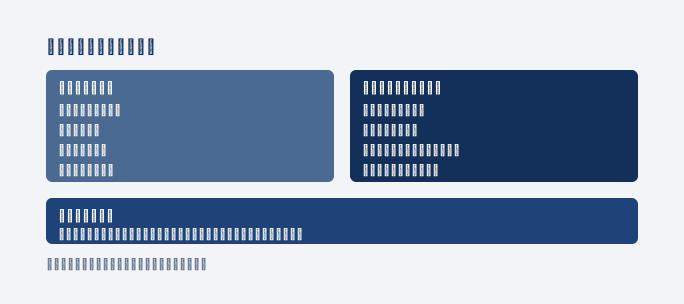
At a glance

Telling snoring alone from possible slee

Telling snoring alone from possible sleep apnoea: continuous breathing and alertness restored by rest fit snoring alone; breathing that repeatedly stops and starts, gasping or choking, and heavy daytime sleepiness point to possible obstructive sleep apnoea and warrant assessment. In a child, habitual loud snoring with bedwetting or poor concentration is treated by the Department of Health as a symptom to act on.
Sources: NHS and the Department of Health Student Health Service · Read the original ›

Does snoring in a child need attention?

Yes. Department of Health Student Health Service material treats habitual loud snoring in a child as a symptom rather than a sign of sleeping deeply, and sets out what follows if it is left. Everything in this section comes from that material.

It states that children with obstructive sleep apnoea have loud habitual snoring at night, difficulty breathing in sleep, brief pauses in breathing and frequent turning, and that some also wet the bed at night or sleepwalk. Because sleep quality is poor, the result is daytime sleepiness, listlessness and poor concentration that affects schoolwork.

Bedwetting and poor concentration are the two most worth a parent noting, because neither is usually connected to breathing. A child who cannot concentrate at school, or who still wets the bed past the usual age, tends to be investigated in other directions; where habitual loud snoring is also present, that is a detail the doctor should hear.

As to consequences, the same material states that obstructive sleep apnoea, if not properly managed, can lead to high blood pressure and stunted growth. Stunted growth is specific to children — it does not appear in adult material — and it is the reason this is not something to leave.

On cause, the material names obesity as one of the main ones, because excess fat accumulating around the neck narrows the upper airway, and cites Chinese University research: the rate of sleep apnoea in obese children is 26%, against 2.3% in children of normal weight — over ten times the risk.

A related clue comes from the same service’s other material: where a child has allergies, reduced hearing, a blocked nose, snoring, past tonsil infection and an episode of acute middle ear infection within the year, the likelihood of fluid in the middle ear is relatively higher. Snoring in a child therefore bears on hearing as well as sleep — and hearing bears on learning too.

What does a doctor do?

The NHS explains that the doctor examines the mouth and nose for underlying problems, and may arrange blood tests or a specialist referral where needed.

For snoring alone, the options it lists are mandibular advancement devices, chin straps or vestibular shields, nasal dilators, strips, decongestants or sprays, and surgery — noting that surgery is limited in availability there and that its results are unreliable. That last point is worth remembering: surgery for snoring is not a guaranteed fix.

Useful to bring to the consultation:

  • What the person sharing the room has observed about breathing
  • How far the daytime sleepiness goes
  • Weight change
  • Drinking and smoking habits
  • Whether the nose is blocked or allergic
  • Any medicines being taken, sleeping pills in particular

For a child, add what has been noticed about bedwetting, sleepwalking, concentration in class and hearing.

What matters particularly in Hong Kong?

The material most worth knowing locally comes from the Department of Health’s Student Health Service: habitual snoring in a child is treated as a symptom, and the research figures behind it were produced in Hong Kong.

  • The Department of Health’s Student Health Service cites Chinese University research finding a 26% rate of sleep apnoea in obese children against 2.3% in children of normal weight — over ten times the risk.Department of Health, Student Health Service: Rainbow Bridge newsletter no. 57 · read · (source)
  • The same material states that affected children have loud habitual snoring, difficulty breathing in sleep, brief pauses in breathing and frequent turning, with some also wetting the bed or sleepwalking; poor sleep quality then causes daytime sleepiness, listlessness and poor concentration affecting learning.Department of Health, Student Health Service: Rainbow Bridge newsletter no. 57 · read · (source)
  • The same material states that obstructive sleep apnoea, if not properly managed, can lead to high blood pressure and stunted growth.Department of Health, Student Health Service: Rainbow Bridge newsletter no. 57 · read · (source)
  • The Student Health Service states that where a child has allergies, reduced hearing, a blocked nose, snoring, past tonsil infection and acute middle ear infection within the year, the likelihood of fluid in the middle ear is relatively higher.Department of Health, Student Health Service: Rainbow Bridge newsletter no. 68 · read · (source)
  • The Student Health Service defines overweight (including obesity) in children as a body mass index above the 91st percentile for the same sex and age group, and lists sleep apnoea among the conditions obesity makes more likely.Department of Health, Student Health Service: obesity and health · read · (source)

When should a doctor be seen?

  • Someone observing breathing repeatedly stopping and starting, or gasping or choking sounds.
  • Daytime sleepiness heavy enough to make staying awake difficult at rest, especially where driving or machinery is involved.
  • Snoring still badly affecting quality of life after the lifestyle measures have been tried.
  • A child with habitual loud snoring together with bedwetting, sleepwalking, daytime sleepiness or poor concentration.
  • A child who also has a blocked nose, reduced hearing or past tonsil infection — hearing should be checked as well.
  • Snoring worsening while taking sleeping pills — tell the doctor rather than stopping them yourself.

Frequently asked questions

Does snoring mean something is wrong?
Not necessarily. Snoring alone is common and not a disease in itself. What matters is whether it comes with breathing stopping and starting, gasping or choking sounds, and heavy daytime sleepiness — those are what point to possible obstructive sleep apnoea.
Does louder snoring mean it is worse?
Loudness alone does not settle it. The more reliable clues are the pattern of breathing — whether it repeatedly stops and starts — and whether daytime sleepiness causes falling asleep at rest. Where nobody can observe the sleep, that daytime sleepiness is the single most useful clue.
Should a child who snores see a doctor?
The Department of Health’s Student Health Service treats habitual loud snoring in a child as a symptom, more so where bedwetting, sleepwalking, daytime sleepiness or poor concentration also appear, and states that without proper management it can lead to high blood pressure and stunted growth.
Do sleeping pills help?
The NHS lists sleeping pills among the things to avoid, noting they can sometimes cause snoring. If snoring has worsened while taking them, tell the doctor rather than stopping on your own.
Does surgery fix it?
The NHS lists surgery among the options while noting that availability is limited and the results unreliable. Whether it is suitable, and whether there is a structural cause that can be addressed, is for a doctor — usually ENT — to assess.
Does sleeping on your side actually help?
The NHS lists sleeping on your side among the things to try, addressing the tongue falling backwards when lying on the back. It is a self-help measure for snoring alone and does not replace assessment for sleep apnoea.

Sources

  1. NHS: snoring — causes, what to try and what to avoid, when to see a GP, what the doctor checks, and the treatment options including the note that surgery is unreliable. NHS ()
  2. Department of Health, Student Health Service, newsletter no. 57: the causes, symptoms, effect on learning and untreated consequences of obstructive sleep apnoea in children, with the Chinese University incidence research. Department of Health, Student Health Service ()
  3. Department of Health, Student Health Service, newsletter no. 68: the risk factors for fluid in the middle ear, which include snoring and past tonsil infection. Department of Health, Student Health Service ()
  4. Department of Health, Student Health Service: obesity and health — the definition of overweight in children and the list of conditions obesity makes more likely, including sleep apnoea. Department of Health, Student Health Service ()

This page is compiled from the Hong Kong official sources listed above. It is general information only — not a diagnosis, a treatment recommendation or medical advice, and no substitute for seeing a doctor. If you are unsure or your condition changes, consult a registered doctor.