ok.med

Also known as: Pneumococcal infection · Streptococcus pneumoniae · Invasive pneumococcal disease ·

Pneumococcal infection is caused by Streptococcus pneumoniae. The Centre for Health Protection notes that it usually causes milder illness such as sinusitis and middle ear infection, but can also cause severe and even fatal invasive disease — bacteraemic pneumonia, sepsis and meningitis. People aged 65 or above are eligible for free or subsidised vaccination.

Hong Kong has 219 registered Respiratory Medicine doctors.

Source: Medical Council of Hong Kong register · read 2026-09-20

ok.med editorial team ·
Compiled by the editorial team from the sources listed below. Not reviewed by an individual doctor.

How serious is pneumococcal infection?

The range is wide. The Centre for Health Protection puts it this way: pneumococcus generally causes only milder illness such as sinusitis and middle ear infection, but it can also cause severe and even fatal invasive pneumococcal disease — bacteraemic pneumonia, septicaemia and meningitis.

“Invasive” means the bacterium reaches a site that should be sterile, such as the blood or cerebrospinal fluid. The same organism can cause a middle ear infection or meningitis; the difference lies not in the bacterium but in where it reaches and in the host’s resistance — which is why the vaccination programme is organised by age and risk.

Who is eligible for free or subsidised vaccination?

The Centre for Health Protection states that the Government’s pneumococcal vaccination programme runs year-round, providing free or subsidised vaccination to eligible people aged 65 or above.

Bring a Hong Kong identity card or a certificate of exemption, along with any existing vaccination record. Unlike the influenza vaccine this is not an annual injection, so what was given before directly determines what should be given now.
Medical Council of Hong Kong register

219 Respiratory Medicine doctors in Hong Kong

All 219 ›

The doctors below are listed from the Medical Council of Hong Kong register. This is not a recommendation, and says nothing about outcomes for this condition. Ask the doctor directly.

These are Medical Council registration details, ordered by registration number. ok.med does not rate or recommend doctors, and holds no outcome or satisfaction data.

On ranking, we tell you the truth — today the order follows the Medical Council register. No scores, no sponsored places.

Our algorithm cares about one thing: whether this doctor is most useful to the patient. We publish the rules because trust should never rest on vagueness.

No doctor can pay for a higher ranking.

What is the difference between the 15-valent and 23-valent vaccines?

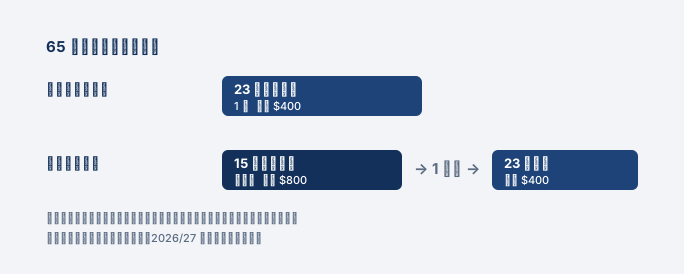
The difference is the type of vaccine and who it is for. Someone without a high-risk condition receives a single dose of the 23-valent polysaccharide vaccine. Someone with a high-risk condition receives the 15-valent conjugate vaccine first, and the 23-valent a year later.

The two pneumococcal vaccines, the sequence, and the 2026/27 subsidy
SituationWhat is givenSubsidy per dose
No high-risk conditionOne dose of the 23-valent polysaccharide vaccine$400
High-risk condition, first stepOne dose of the 15-valent conjugate vaccine$800
High-risk condition, second stepA dose of the 23-valent vaccine one year later$400

Is this the same as the flu jab?

No. They target different organisms — influenza is viral, pneumococcus is a bacterium. Both vaccines sit under the same subsidy scheme, but the amounts, the frequency and the eligible groups all differ.

The connection is in the outcome rather than the cause: pneumonia is both a complication of influenza and a disease pneumococcus causes directly. For an older person the two vaccines therefore address the same outcome they most want to avoid, by two different routes.

The influenza vaccine is annual, subsidised at $260 a dose in 2026/27. The pneumococcal vaccine is not annual; what is given depends on risk status and previous doses. See the influenza guide.

At a glance

Pneumococcal vaccination sequence: witho

Pneumococcal vaccination sequence: without a high-risk condition, one dose of the 23-valent vaccine; with one, the 15-valent conjugate first and the 23-valent a year later.
Source: Centre for Health Protection · Read the original ›

When and where can it be given?

The elderly pneumococcal vaccination programme runs all year and is not limited to the influenza season. The 2026/27 Vaccination Subsidy Scheme opened on 17 September 2026.

The Vaccination Subsidy Scheme works through participating private doctors, with the Government paying them the subsidy. What a patient pays is therefore the clinic’s own charge less the subsidy, which varies between clinics — worth asking before attending.

Does a previous dose matter?

Yes. What should be given depends on what has been given before and on risk status, which is why the existing vaccination record should be brought along.

The vaccine used in the government programme has also changed: from 5 August 2024 the 15-valent conjugate vaccine replaced the 13-valent one used previously. An older person vaccinated earlier may therefore have a different vaccine named on their record. That does not in itself mean starting again — a doctor should judge from the record.

What are the subsidies and the sequence in Hong Kong?

This is the most useful part of the page and the part no overseas source can supply: the subsidy amounts the Government publishes, and the sequence for people with and without a high-risk condition.

  • Under the 2026/27 Vaccination Subsidy Scheme the 23-valent pneumococcal polysaccharide vaccine is subsidised at $400 a dose, and the 15-valent conjugate vaccine at $800 a dose.Centre for Health Protection: Vaccination Subsidy Scheme 2026/27 · read · (source)
  • A person without a high-risk condition receives one dose of the 23-valent polysaccharide vaccine. A person with a high-risk condition receives the 15-valent conjugate vaccine first and the 23-valent a year later.Centre for Health Protection: Pneumococcal Vaccine · read · (source)
  • The Government’s pneumococcal vaccination programme runs year-round for eligible people aged 65 or above, free or subsidised. A Hong Kong identity card or certificate of exemption and the existing vaccination record should be brought along.Centre for Health Protection: Pneumococcal Vaccine · read · (source)
  • From 5 August 2024 the 15-valent pneumococcal conjugate vaccine replaced the 13-valent vaccine previously used in the government programme.Centre for Health Protection: Pneumococcal Vaccine · read · (source)

When is urgent care needed?

  • High fever with breathlessness, difficulty breathing or chest pain — this may be pneumonia.
  • Neck stiffness, severe headache, discomfort with light or confusion — meningitis is one of the invasive forms.
  • In an older person, rapid deterioration, extreme weakness or reduced responsiveness — even without a high fever.
  • Coughing up blood, or a marked change in the colour or amount of sputum alongside fever.
  • Anyone with weakened immunity showing signs of infection should seek care early rather than watch and wait.

Each has its own page and doctor list

Frequently asked questions

Is the pneumococcal jab annual?
No. Unlike the influenza vaccine it is not given annually. Which vaccine and whether a second dose is needed depend on whether there is a high-risk condition and on previous doses, which is why the record should be brought along.
Is the 15-valent simply better than the 23-valent?
That is not the comparison. They are used in different situations: someone without a high-risk condition receives a single 23-valent dose, while someone with one receives the 15-valent first and the 23-valent a year later. The sequence is set by risk status, not by which number is larger.
Can it be given with the flu jab?
They are different vaccines under the same subsidy scheme; whether they can be given on the same day is for the attending doctor to decide in the individual case. What is certain is that the pneumococcal programme runs year-round and is not tied to the influenza season.
Does the vaccine mean no pneumonia?
It should not be read that way. Pneumonia has many causes; pneumococcus is one, and influenza can be complicated by it too. A vaccine lowers the risk of disease from the organism it targets rather than removing every possibility of pneumonia.
What if I had the 13-valent vaccine before?
From 5 August 2024 the government programme moved from the 13-valent to the 15-valent conjugate vaccine. A different vaccine name on an older record does not in itself mean starting again — a doctor should judge from the record.
What will it actually cost?
The scheme pays participating private doctors the subsidy, and the patient pays the clinic’s own charge less that amount. In 2026/27 the subsidy is $400 a dose for the 23-valent vaccine and $800 for the 15-valent; clinic charges differ, so it is worth asking first.

Sources

  1. Centre for Health Protection: pneumococcal vaccine — invasive disease, eligible older adults, the two vaccines, the sequence and what to bring. Centre for Health Protection, Department of Health ()
  2. Centre for Health Protection: Vaccination Subsidy Scheme 2026/27 — subsidy per dose and the start date. Centre for Health Protection, Department of Health ()
  3. Centre for Health Protection: 2026/27 Government Vaccination Programme — arrangements. Centre for Health Protection, Department of Health ()
  4. Centre for Health Protection health topic: seasonal influenza — pneumonia listed among its complications. Centre for Health Protection, Department of Health ()

This page is compiled from the Hong Kong official sources listed above. It is general information only — not a diagnosis, a treatment recommendation or medical advice, and no substitute for seeing a doctor. If you are unsure or your condition changes, consult a registered doctor.