ok.med

Also known as: Human papillomavirus · HPV vaccine ·

HPV is a group of more than 150 virus types, about forty of which infect the human genital organs. Some types cause pre-cancerous change and cancer of the cervix, vagina, vulva and anus. About 90 per cent of cervical cancers in Hong Kong are caused by seven HPV types, all of which the nine-valent vaccine covers.

Hong Kong has 502 registered Obstetrics & Gynaecology doctors.

Source: Medical Council of Hong Kong register · read 2026-09-20

ok.med editorial team ·
Compiled by the editorial team from the sources listed below. Not reviewed by an individual doctor.

What is HPV?

The Centre for Health Protection describes human papillomavirus as a group of more than 150 virus types, about forty of which infect the human genital organs.

Some HPV types cause pre-cancerous change and cancer of the cervix, vagina, vulva and anus. Not every type carries that risk, which is where the distinction between high-risk and low-risk types comes from — and why the vaccines are named by how many types they cover.

Which HPV types cause cancer?

The Centre for Health Protection states that about 90 per cent of cervical cancers in Hong Kong are caused by HPV types 16, 18, 31, 33, 45, 52 and 58, and that the nine-valent vaccine covers those seven genotypes.

Worth noticing is that this set of types is a Hong Kong figure rather than a universal list. The distribution of circulating HPV types differs between places, so “covers 90 per cent of cervical cancers here” is a statement with a geographic premise that overseas material may not share.

The HPV types behind cervical cancer here, and vaccine coverage
ItemFigureWhat it means
HPV types in totalMore than 150About 40 of them infect the genital organs
Cancer-causing types here16, 18, 31, 33, 45, 52, 58Behind about 90% of cervical cancers in Hong Kong
Nine-valent vaccine coverageAll seven of the aboveHigh coverage, though not every type

Medical Council of Hong Kong register

502 Obstetrics & Gynaecology doctors in Hong Kong

All 502 ›

The doctors below are listed from the Medical Council of Hong Kong register. This is not a recommendation, and says nothing about outcomes for this condition. Ask the doctor directly.

These are Medical Council registration details, ordered by registration number. ok.med does not rate or recommend doctors, and holds no outcome or satisfaction data.

On ranking, we tell you the truth — today the order follows the Medical Council register. No scores, no sponsored places.

Our algorithm cares about one thing: whether this doctor is most useful to the patient. We publish the rules because trust should never rest on vagueness.

No doctor can pay for a higher ranking.

How does the school programme work here?

Since the 2019/20 school year the Department of Health has provided HPV vaccine to eligible primary school girls under the Hong Kong Childhood Immunisation Programme: the first dose at school in Primary 5, the second in Primary 6 the following year.

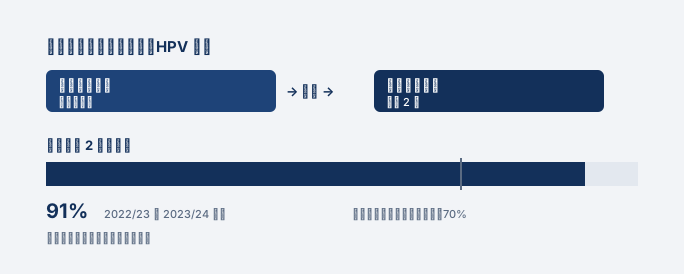
The two doses fall in different school years, so completion can only be confirmed in Primary 6. Coverage has stayed high over the past five years: in both the 2022/23 and 2023/24 school years, 91 per cent of Primary 6 girls completed two doses.

That is well above the 70 per cent interim two-dose target set in the Hong Kong Cancer Strategy 2019. For a parent weighing it up, it indicates that completing the course in Hong Kong is not the exception but what the great majority of families do.

What if the school doses were missed?

The Department of Health runs an HPV vaccine catch-up programme for eligible female Hong Kong residents who did not complete the course. The first phase began on 2 December 2024 and the final phase on 26 June 2025.

In May 2026 the Department urged eligible female Hong Kong residents born between 2004 and 2008 who had not completed the course to do so by December. The catch-up programme runs in phases with deadlines, so eligibility and cut-off dates should be checked against the Department’s current announcements.

At a glance

HPV vaccination under the Hong Kong Chil

HPV vaccination under the Hong Kong Childhood Immunisation Programme: first dose in Primary 5, second in Primary 6. In 2022/23 and 2023/24, 91% of Primary 6 girls completed both doses, above the 70% interim target in the Hong Kong Cancer Strategy.
Data: Centre for Health Protection · Read the original ›

Is screening still needed after vaccination?

Yes. The Department of Health’s cervical screening recommendations are set by age and sexual history, not by whether someone has been vaccinated.

For two reasons: the nine-valent vaccine covers the seven types behind about 90 per cent of cervical cancers here — high, but not all of them — and it does not clear an infection already present before it was given. Vaccination prevents infection; screening finds change that has occurred. They are not alternatives. See the cervical cancer guide.

Why does this page not tell you whether to vaccinate?

ok.med has appointed no named medical reviewer, so this page’s role is to report what the Department of Health and the Centre for Health Protection publish, with the source and the date, rather than to give individual medical advice.

Whether to vaccinate turns on personal history, age and previous doses, and is for a doctor to assess in the individual case. The registered obstetrics and gynaecology specialists listed below come from Medical Council registration records; ok.med does not rate or recommend doctors.

What are the arrangements and coverage in Hong Kong?

HPV vaccination in Hong Kong is delivered through schools, with a defined year-group arrangement, published coverage, and a catch-up programme for those who missed it. All three are local figures.

  • Since the 2019/20 school year the Department of Health has provided HPV vaccine to eligible primary school girls under the Childhood Immunisation Programme: the first dose in Primary 5 and the second in Primary 6 the following year.Centre for Health Protection: Human Papillomavirus Vaccination · read · (source)
  • In both the 2022/23 and 2023/24 school years, 91 per cent of Primary 6 girls completed two doses — well above the 70 per cent interim two-dose target set in the Hong Kong Cancer Strategy 2019.Centre for Health Protection: Human Papillomavirus Vaccination · read · (source)
  • The Department of Health began the first phase of the HPV vaccine catch-up programme on 2 December 2024, and the final phase on 26 June 2025.HKSAR Government Press Release (6 November 2024) · read · (source)
  • In May 2026 the Department of Health urged eligible female Hong Kong residents born between 2004 and 2008 who had not completed the course to do so by December, to protect against cervical cancer.HKSAR Government Press Release (28 May 2026) · read · (source)

When should a doctor be seen?

  • Vaginal bleeding between periods, bleeding after sex, or any bleeding after the menopause.
  • Warty growths, lumps or ulcers in the genital area.
  • Persistent or foul-smelling vaginal discharge.
  • An abnormal cervical screening result — complete the follow-up the doctor arranges rather than waiting for the next routine screen.
  • Severe or persistent symptoms after vaccination should be reported to a doctor.

Frequently asked questions

How many types of HPV are there?
The Centre for Health Protection describes HPV as a group of more than 150 virus types, about forty of which infect the genital organs. Not all of them carry a cancer risk.
Does the nine-valent vaccine cover everything?
Not all of it. The nine-valent vaccine covers the seven types behind about 90 per cent of cervical cancers here — 16, 18, 31, 33, 45, 52 and 58. Coverage is high but not complete, which is why screening recommendations do not change after vaccination.
When is it given at school, and how many doses?
Two doses. Eligible primary school girls receive the first at school in Primary 5 and the second in Primary 6 the following year, so completion is only confirmed in Primary 6.
How many actually complete it?
In both the 2022/23 and 2023/24 school years, 91 per cent of Primary 6 girls completed two doses — well above the 70 per cent interim target set in the Hong Kong Cancer Strategy 2019.
Can an adult who missed it still be vaccinated?
The Department of Health runs a catch-up programme for eligible female Hong Kong residents who did not complete the course, in phases and with deadlines. Its May 2026 appeal was addressed to those born between 2004 and 2008. Eligibility and cut-off dates should be checked against the Department’s current announcements.
Is cervical screening still needed after the vaccine?
Yes. Screening recommendations are set by age and sexual history rather than vaccination status. The vaccine does not cover every type, and does not clear an infection present before it was given.

Sources

  1. Centre for Health Protection: HPV vaccination — virus types, the cancer-causing types here, the school programme and coverage. Centre for Health Protection, Department of Health ()
  2. Centre for Health Protection: the HPV vaccine catch-up programme. Centre for Health Protection, Department of Health ()
  3. Government press release: the Department of Health begins phase one of the HPV vaccine catch-up programme on 2 December. HKSAR Government Press Release (6 November 2024) ()
  4. Government press release: eligible female residents born 2004 to 2008 who have not completed the course are urged to do so. HKSAR Government Press Release (28 May 2026) ()

This page is compiled from the Hong Kong official sources listed above. It is general information only — not a diagnosis, a treatment recommendation or medical advice, and no substitute for seeing a doctor. If you are unsure or your condition changes, consult a registered doctor.