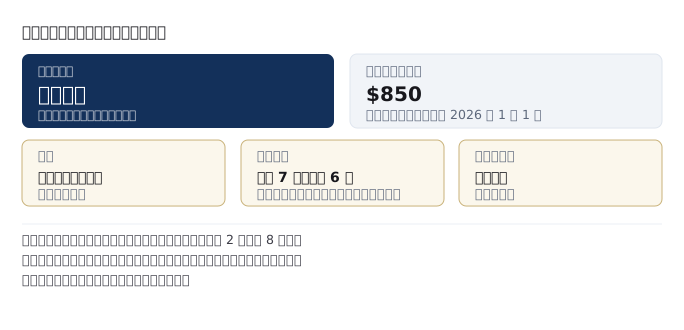
What are genital warts?
The Centre for Health Protection describes it as a skin infection caused by human papillomavirus, spread by direct contact with an exposed lesion and generally acquired through sexual contact.
Cauliflower is the everyday Hong Kong name, describing how the warts look when they cluster; the clinical names are genital or anogenital warts, and the literature also uses condyloma acuminatum. All refer to the same thing, and this page uses the everyday name throughout because that is the word almost everyone searches with.
Is it the same virus as cervical cancer?
The same family of virus, but not the same types. Human papillomavirus has many types; those causing genital warts are low-risk types, and they are not the high-risk types associated with cervical cancer.
This is worth stating plainly, because conflating the two produces two opposite misunderstandings: that having warts means cancer will follow, or that having been vaccinated against cervical cancer rules warts out. Neither is accurate. A separate page covers the virus types and Hong Kong vaccination arrangements.
What do genital warts look like, and how long is the incubation?
The Centre states that warts appear between two weeks and eight months after contact with an infected person. In men, the sign is small flesh-coloured lumps on the penis, scrotum or anus, which may itch or may be painless.
Two weeks to eight months is a wide window, and that is the part worth noticing: the better part of a year can pass between infection and the appearance of warts. The timing of the signs is therefore not a reliable basis for inferring when infection occurred, nor for inferring from whom.
The lumps may itch or may cause no sensation at all. Causing no discomfort does not mean no action is needed, and it does not mean they are not transmissible — spread is by direct contact with an exposed lesion, independent of whether anything is felt.