How low is low?
Hong Kong publishes no official threshold below which low blood pressure is diagnosed. What the Centre for Health Protection does publish is the upper end: normal blood pressure keeps systolic below 120 mmHg and diastolic below 80 mmHg, while 140 or 90 and above, sustained, is hypertension.
The asymmetry has a reason. High blood pressure damages vessels while causing no sensation at all, so it needs a numeric line. A low reading generally becomes clinically meaningful only once there are signs — dizziness, blurred vision, weakness. What matters is whether there are symptoms, not the reading alone.
A healthy person with no complaints who records a lowish reading does not necessarily have a problem. The form that is defined, and for which Hong Kong publishes clinical guidance, is postural hypotension — the next section.
| Category | Value |
|---|---|
| Normal | Systolic below 120 and diastolic below 80 mmHg |
| Pre-hypertension | Systolic 120–139, or diastolic 80–89 mmHg |
| Hypertension | Systolic sustained at 140 or above, or diastolic at 90 or above |
| Low blood pressure | No published diagnostic figure in Hong Kong; generally judged on whether there are symptoms |
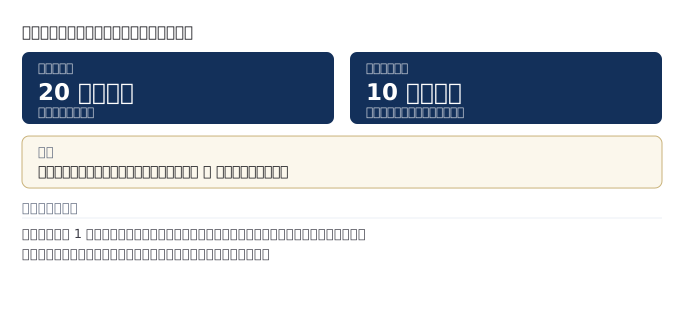
| Postural hypotension | A fall of 20 mmHg systolic, or 10 mmHg diastolic, on standing from lying |
What is postural hypotension?
The Hospital Authority describes it as low blood pressure arising from a change of posture — suddenly standing from lying, or standing for a long period — producing insufficient blood supply to the brain. It is generally taken to mean a fall of 20 mmHg systolic or 10 mmHg diastolic on standing from lying.
The signs it lists are blurred vision, dizziness, weakness, and fainting in severe cases; and it states plainly that these raise the risk of falling. That sentence is the most important on this page: in an older person the consequence is usually not the blood pressure itself but the fall.
What causes low blood pressure?
The Hospital Authority groups the causes of postural hypotension into four: insufficient circulating volume, autonomic nervous system dysfunction, medication, and cardiac problems.
Insufficient circulating volume covers conditions causing substantial fluid loss — fever, vomiting, diarrhoea — as well as blood loss and anaemia. On the autonomic side, a healthy person standing suddenly from lying activates mechanisms that hold blood pressure steady; in older people the decline of nervous system function unbalances that regulation. Neuropathy from diabetes, from long-term alcohol use, from spinal nerve injury or following viral infection can all impair autonomic function.
Among medicines the Hospital Authority lists antihypertensives, cardiac drugs and antidepressants. This needs stating plainly: knowing that a class of medicine can cause postural hypotension is not a reason to stop taking it. Stopping medication that controls blood pressure or heart disease can have serious consequences, and any adjustment is for the prescribing doctor to make.
On the cardiac side, besides myocardial infarction the Authority names arrhythmia, severe heart failure, cardiomyopathy and aortic stenosis as limiting cardiac output and so producing postural hypotension. It also states that treating postural hypotension begins with identifying the likely underlying cause and treating that.