How many people in Hong Kong have it?
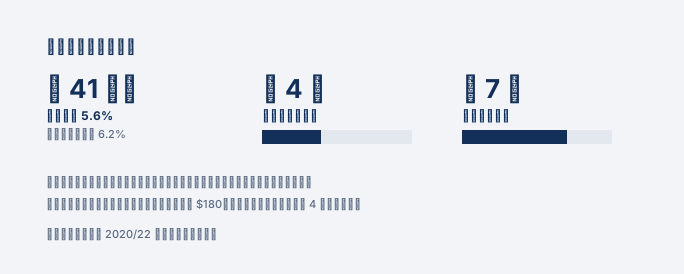
In the Department of Health’s 2020-22 Population Health Survey, 6.2 per cent of participants who completed a physical examination tested positive for hepatitis B surface antigen, indicating chronic infection. Extrapolated, about 5.6 per cent of the population — roughly 410,000 people — have chronic hepatitis B.
Two further figures matter more. The survey found that nearly four in ten of those affected did not know, and about seven in ten were not receiving any medical follow-up for their liver disease. Most carriers are, in other words, outside any system of care.
That is the background to the Government’s Hepatitis B Co-Care Programme: the problem is not an absence of treatment but that most of those affected have never been identified, or were identified and then not followed up.
Who should be tested?
The Department of Health identifies those at higher risk as including family members and sexual partners of people with chronic hepatitis B, people who inject drugs, and men who have sex with men, and advises testing to establish their status.
1988 is the dividing line: that is the year Hong Kong introduced universal hepatitis B vaccination for newborns, so those born before it may not be covered. That year is written directly into the eligibility rules of the co-care programme.
| Condition | What it requires | Why |
|---|---|---|
| Year of birth | Born in 1988 or earlier | 1988 is the year universal newborn hepatitis B vaccination began |
| Exposure | A family member or sexual partner has chronic hepatitis B | These are among the higher-risk groups the Department names |
| Not already diagnosed | Not already diagnosed with chronic hepatitis B and without related symptoms | The programme exists to find infections nobody knows about |
| Vaccination | Has not completed the full hepatitis B vaccination course | Those who completed the course are at lower risk |