ok.med

Also known as: Piles · External haemorrhoids ·

The Department of Health describes haemorrhoids as formed from small blood vessels and connective tissue at the anus, divided into internal and external, and generally causing symptoms only when enlarged or inflamed. The key point: blood in the stool should not be assumed to be haemorrhoids — the Department’s advice is to seek a doctor’s opinion.

Hong Kong has 250 registered Gastroenterology & Hepatology doctors.

Source: Medical Council of Hong Kong register · read 2026-09-20

ok.med editorial team ·
Compiled by the editorial team from the sources listed below. Not reviewed by an individual doctor.

What is the difference between internal and external?

The Department of Health puts it this way: haemorrhoids form from the small blood vessels and connective tissue at the anus, and divide into internal and external, which present differently.

The tissue itself is a normal structure everyone has, and it usually causes symptoms only once enlarged or inflamed. Having haemorrhoids is therefore a matter of degree rather than an all-or-nothing state.

Symptoms of internal and external haemorrhoids as listed by the Department of Health
TypeSymptomsWhat to watch
InternalBlood in the stool, itching; pain when the haemorrhoid becomes strangulatedBlood in the stool overlaps with colorectal cancer and cannot be self-assessed
ExternalBleeding and pain at the anusPain is more evident, but the source of bleeding still needs a doctor

What causes haemorrhoids?

The Department of Health lists three: chronic constipation and prolonged straining, usually from a diet low in fibre from fruit and vegetables; sitting for long periods; and older age.

Two of the three are habits, which is why the preventive advice centres on diet and bowel habit rather than medicine. The prevalence of desk-bound work in Hong Kong makes the sitting factor locally relevant.
Medical Council of Hong Kong register

250 Gastroenterology & Hepatology doctors in Hong Kong

All 250 ›

The doctors below are listed from the Medical Council of Hong Kong register. This is not a recommendation, and says nothing about outcomes for this condition. Ask the doctor directly.

These are Medical Council registration details, ordered by registration number. ok.med does not rate or recommend doctors, and holds no outcome or satisfaction data.

On ranking, we tell you the truth — today the order follows the Medical Council register. No scores, no sponsored places.

Our algorithm cares about one thing: whether this doctor is most useful to the patient. We publish the rules because trust should never rest on vagueness.

No doctor can pay for a higher ranking.

How can it be prevented?

The Department advises a healthy diet with plenty of vegetables, fruit and grains, along with adequate fluids, to soften the stool and maintain a regular bowel habit.

Prolonged straining should also be avoided. Hospital Authority patient material additionally mentions warm baths or cold compresses for relief. These are self-care measures and do not replace a diagnosis.

What treatments exist?

The Department lists treatment by severity: milder cases with topical treatment such as suppositories or ointment alongside more fibre and bowel retraining; severe cases may need banding, sclerotherapy, cryotherapy or surgical excision.

This page recommends no medicine or procedure. Which is appropriate depends on the type and degree, and requires examination. Buying something over the counter to treat undiagnosed bleeding is exactly what should be avoided.

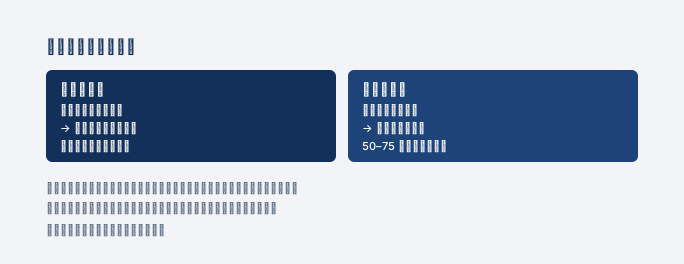
At a glance

Visible versus invisible blood: blood yo

Visible versus invisible blood: blood you can see calls for a consultation, because haemorrhoids and colorectal cancer share the symptom; the screening programme uses a faecal immunochemical test to find blood you cannot see, in people aged 50 to 75 without symptoms.
Source: Department of Health · Read the original ›

Is blood in the stool always haemorrhoids?

No — and this is the most important section on the page. The Department of Health’s own advice on haemorrhoids states plainly that anyone finding blood in the stool, or suspecting haemorrhoids, should seek a doctor’s professional opinion.

The reason is overlap. Blood in the stool is also a symptom of colorectal cancer, and the two cannot be told apart by the person experiencing them. Hong Kong runs a colorectal screening programme, but it only accepts people without symptoms — someone already bleeding needs diagnosis, not screening.

Attributing bleeding to haemorrhoids and not seeking care is one of the commonest routes to a delayed diagnosis. Someone already known to have haemorrhoids who develops new or different bleeding needs reassessment just the same.

What are the arrangements in Hong Kong?

There is no dedicated public programme for haemorrhoids, but it shares a symptom with colorectal cancer, for which Hong Kong runs a subsidised screening programme. Where the line falls is what a local reader most needs to understand.

  • The Department of Health’s advice on haemorrhoids is that anyone finding blood in the stool, or suspecting haemorrhoids, should seek a doctor’s professional opinion.Centre for Health Protection: common men’s conditions — haemorrhoids · read · (source)
  • The Department of Health lists the causes as chronic constipation and prolonged straining (usually from a diet low in fruit and vegetable fibre), sitting for long periods, and older age.Centre for Health Protection: common men’s conditions — haemorrhoids · read · (source)
  • Treatments listed by the Department include topical suppositories or ointment, and banding, sclerotherapy, cryotherapy and surgical excision.Centre for Health Protection: common men’s conditions — haemorrhoids · read · (source)
  • The Hospital Authority’s Smart Patient Website carries a disease information page on haemorrhoids with care tips and community resources.Hospital Authority Smart Patient Website: haemorrhoids · read · (source)

What must be seen by a doctor?

  • Any blood in the stool — the Department of Health advises seeking a doctor’s opinion rather than assuming haemorrhoids.
  • A persistent change in bowel habit, or stools becoming narrow or black.
  • Severe anal pain — the Department notes that a strangulated internal haemorrhoid causes pain, which needs attention.
  • Unexplained weight loss, persistent fatigue, or symptoms of anaemia.
  • Known haemorrhoids, but bleeding that differs from before in pattern, amount or colour.

Each has its own page and doctor list

Frequently asked questions

Is blood in the stool always haemorrhoids?
No. Blood in the stool is also a symptom of colorectal cancer, and the two cannot be distinguished by the person experiencing them. The Department of Health advises seeking a doctor’s opinion.
Will haemorrhoids settle on their own?
The tissue is normal and present in everyone, and symptoms appear when it becomes enlarged or inflamed; they can settle as diet and bowel habit improve. That does not make bleeding safe to ignore — the source has to be established first.
Can I just buy an ointment?
The Department lists topical suppositories or ointment among treatments for milder cases, but that presupposes a diagnosis. Treating undiagnosed bleeding yourself is a common route to a delayed colorectal cancer diagnosis. This page recommends no medicine.
How is it prevented?
The Department advises plenty of vegetables, fruit and grains with adequate fluids to soften the stool and keep a regular bowel habit, along with avoiding prolonged straining and long periods of sitting.
When is surgery needed?
For severe cases the Department lists banding, sclerotherapy, cryotherapy and surgical excision. Whether any is needed, and which, depends on the type and degree and is decided after examination.
I am under 50 — should I be screened for colorectal cancer?
The Government’s programme is for residents aged 50 to 75 without symptoms. Anyone already passing blood should see a doctor regardless of age, because what is needed is diagnosis rather than screening.

Sources

  1. Centre for Health Protection: haemorrhoids — definition, internal and external symptoms, causes, prevention and treatment. Centre for Health Protection, Department of Health ()
  2. Hospital Authority Smart Patient Website: disease information and care tips for haemorrhoids. Hospital Authority Smart Patient Website ()
  3. Colorectal Cancer Screening Programme: a faecal immunochemical test for blood invisible to the eye, in people without symptoms. Colorectal Cancer Screening Programme, Department of Health ()
  4. Government press release: the Department urges residents aged 50 to 75 to be screened regularly for colorectal cancer. HKSAR Government Press Release (21 March 2024) ()

This page is compiled from the Hong Kong official sources listed above. It is general information only — not a diagnosis, a treatment recommendation or medical advice, and no substitute for seeing a doctor. If you are unsure or your condition changes, consult a registered doctor.