ok.med

Also known as: Cognitive impairment · Alzheimer's disease ·

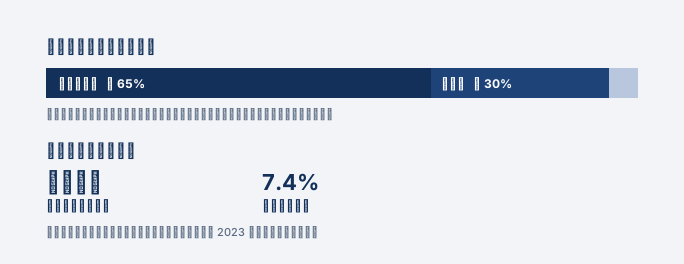
Dementia is a deterioration of brain function caused by disease of the brain’s nerve cells, affecting memory, comprehension, language, learning, calculation and judgement. A 2023 survey by the Chinese University of Hong Kong’s Faculty of Medicine found that one in five community-dwelling older people has mild cognitive impairment, and 7.4 per cent have dementia.

Hong Kong has 486 registered Psychiatry doctors.

Source: Medical Council of Hong Kong register · read 2026-09-20

ok.med editorial team ·
Compiled by the editorial team from the sources listed below. Not reviewed by an individual doctor.

Are 腦退化症 and 認知障礙症 the same thing?

Yes. Both name the same condition. The Department of Health’s Elderly Health Service defines it as a deterioration of brain function caused by disease of the brain’s nerve cells, affecting memory, comprehension, language, learning, calculation and judgement.

Worth noticing is how wide that list is. Dementia is not simply forgetfulness — comprehension, language, calculation and judgement are affected too, and those often threaten everyday safety before memory does, in handling money or using a gas stove.

How many older people in Hong Kong are affected?

A 2023 survey of older people’s mental health by the Chinese University of Hong Kong’s Faculty of Medicine found one in five community-dwelling older people with mild cognitive impairment and 7.4 per cent with dementia.

Mild cognitive impairment and dementia are not the same: the first is a decline in cognitive ability short of disease, the second already affects daily life. The one-in-five figure matters because it describes older people still living in the community who may not yet have been identified.

The types, as a share of Hong Kong cases in older people
TypeShare of Hong Kong casesWhat it means
Alzheimer’s diseaseAbout 65%The commonest type
Vascular dementiaAbout 30%Second commonest, and tied directly to vascular health
OthersThe remainderIncluding those related to Parkinson’s disease, thyroid dysfunction and vitamin B12 deficiency

Medical Council of Hong Kong register

486 Psychiatry doctors in Hong Kong

All 486 ›

The doctors below are listed from the Medical Council of Hong Kong register. This is not a recommendation, and says nothing about outcomes for this condition. Ask the doctor directly.

These are Medical Council registration details, ordered by registration number. ok.med does not rate or recommend doctors, and holds no outcome or satisfaction data.

On ranking, we tell you the truth — today the order follows the Medical Council register. No scores, no sponsored places.

Our algorithm cares about one thing: whether this doctor is most useful to the patient. We publish the rules because trust should never rest on vagueness.

No doctor can pay for a higher ranking.

What are the early warning signs?

The Elderly Health Service lists ten warning signs, the first being memory loss that affects daily life. The operative part is the second half, not forgetfulness on its own.

The remaining signs cover declining problem-solving, difficulty with familiar tasks, confusion about time and place, trouble understanding visual images, problems with speech or writing, misplacing things, reduced judgement, withdrawal from social activity, and changes in mood and personality.

The list is for deciding when to seek assessment, not for self-diagnosis. Normal ageing also changes memory; what distinguishes the two is whether the ability to manage daily life is affected, and that requires clinical assessment.

Which risk factors can be acted on?

The Elderly Health Service’s prevention advice emphasises managing chronic conditions including diabetes, hypertension and stroke — which follows directly from vascular dementia accounting for about 30 per cent of Hong Kong cases in older people.

The rest is an active lifestyle:

  • Regular exercise
  • Not smoking
  • A healthy diet
  • Keeping the mind engaged
  • Staying socially involved

None of this guarantees avoidance, but it addresses the part that can be changed.

For hypertension and diabetes, Hong Kong runs the Chronic Disease Co-Care Programme, offering subsidised screening and follow-up to residents aged 45 or above not already known to have either. The hypertension and diabetes guides on this site set out the eligibility and co-payments.

At a glance

Dementia in older people in Hong Kong: A

Dementia in older people in Hong Kong: Alzheimer’s disease about 65 per cent of cases and vascular dementia about 30 per cent; one in five community-dwelling older people has mild cognitive impairment and 7.4 per cent have dementia.
Data: Elderly Health Service, Department of Health; CUHK Faculty of Medicine 2023 survey · Read the original ›

What can be done after diagnosis?

The Elderly Health Service states that medication helps patients in the early stages, that non-drug approaches such as reality orientation and reminiscence therapy are effective, and that family support groups help reduce carer stress.

Carer stress is named explicitly rather than mentioned in passing. Caring for someone with dementia often runs for years, and the Hospital Authority’s Smart Patient Website carries a dementia theme section alongside community resources and material on chronic disease in older people.

Where can an assessment be arranged?

The Elderly Health Service advises seeking medical assessment early. For community support, the organisations it lists include St James’ Settlement, the Hong Kong Alzheimer’s Disease Association and the Jockey Club Centre for Positive Ageing, alongside Social Welfare Department initiatives.

For specialist care, the registered psychiatrists listed below come from Medical Council registration records. Some cases are followed up in geriatric medicine instead, and the referral is for the treating doctor to arrange. ok.med does not rate or recommend doctors.

What are the Hong Kong figures and support?

There are two sets of local figures: how common it is, and how the types divide. Both come from Hong Kong surveys and official material rather than from overseas data.

  • A 2023 survey by the Chinese University of Hong Kong’s Faculty of Medicine found one in five community-dwelling older people with mild cognitive impairment and 7.4 per cent with dementia.Elderly Health Service, Department of Health: dementia · read · (source)
  • The Elderly Health Service states that Alzheimer’s disease is the commonest type at about 65 per cent of Hong Kong cases in older people, with vascular dementia second at about 30 per cent.Elderly Health Service, Department of Health: dementia · read · (source)
  • The Elderly Health Service lists ten early warning signs, beginning with memory loss that affects daily life and covering problem-solving, familiar tasks, time and place, visual comprehension, language, misplacing things, judgement, social participation, and mood and personality.Elderly Health Service, Department of Health: dementia · read · (source)
  • The Hospital Authority’s Smart Patient Website carries a dementia theme section covering what the condition is, prevention and community resources, alongside material on chronic disease in older people.Hospital Authority Smart Patient Website: dementia · read · (source)

When should assessment be sought promptly?

  • Memory loss that affects daily life — the first of the Department’s warning signs, and the emphasis is on the effect on living.
  • Markedly reduced judgement — mistakes with money, being defrauded, or unsafe use of a stove.
  • Confusion about time and place, such as getting lost somewhere familiar.
  • A marked change in mood or personality, or withdrawal from social activity.
  • A rapid decline over weeks to months — sudden change needs other treatable causes excluded, such as thyroid dysfunction or vitamin B12 deficiency.

Each has its own page and doctor list

Frequently asked questions

What is the difference between the two names?
None — they name the same condition. Official Department of Health and Hospital Authority material uses 認知障礙症, while 腦退化症 is the more common everyday term.
Is forgetfulness the same as dementia?
No. The first warning sign the Department lists is memory loss that affects daily life — the emphasis is on the effect on functioning. Normal ageing also changes memory, and telling them apart needs clinical assessment.
How common is it here?
On the Chinese University Faculty of Medicine’s 2023 survey, one in five community-dwelling older people has mild cognitive impairment and 7.4 per cent have dementia.
Can it be prevented?
Not guaranteed, but parts can be acted on. The Department emphasises managing chronic conditions such as diabetes, hypertension and stroke, alongside regular exercise, not smoking, a healthy diet, keeping the mind engaged and staying socially involved.
How is it connected to high blood pressure?
Vascular dementia accounts for about 30 per cent of cases in older people here, and the Department’s prevention advice explicitly includes managing hypertension. The Chronic Disease Co-Care Programme offers subsidised screening and follow-up to residents aged 45 or above not already diagnosed.
Is there support for carers?
Yes. The Department notes that family support groups help reduce carer stress, and lists organisations including St James’ Settlement, the Hong Kong Alzheimer’s Disease Association and the Jockey Club Centre for Positive Ageing. The Hospital Authority’s Smart Patient Website also carries community resources.

Sources

  1. Elderly Health Service, Department of Health: dementia — definition, the share by type, local prevalence, the ten warning signs and prevention advice. Elderly Health Service, Department of Health ()
  2. Hospital Authority Smart Patient Website: the dementia theme section — what it is, prevention and management. Hospital Authority Smart Patient Website ()
  3. Hospital Authority Smart Patient Website: chronic disease in older people — material on managing the conditions linked to dementia. Hospital Authority Smart Patient Website ()
  4. Centre for Health Protection: cerebrovascular disease resources — material on the vascular disease underlying vascular dementia. Centre for Health Protection, Department of Health ()

This page is compiled from the Hong Kong official sources listed above. It is general information only — not a diagnosis, a treatment recommendation or medical advice, and no substitute for seeing a doctor. If you are unsure or your condition changes, consult a registered doctor.