ok.med

Also known as: Cystitis · Urinary infection ·

The typical symptoms are pain or burning when passing urine, going more often than usual, cloudy urine, blood in the urine, and pain in the lower abdomen or in the back just under the ribs. Centre for Health Protection material states that acute dysuria and frequency, together with the absence of vaginal discharge, give a 90% positive predictive value for urinary tract infection in pre-menopausal women. Fever, chills, flank pain, or confusion, drowsiness or difficulty speaking make it urgent.

Hong Kong has 156 registered Urology doctors.

Source: Medical Council of Hong Kong register · read 2026-09-20

ok.med editorial team ·
Compiled by the editorial team from the sources listed below. Not reviewed by an individual doctor.

What are the symptoms of urinary tract infection?

The NHS lists pain or a burning sensation when passing urine, needing to go more often than usual, urine that looks cloudy, blood in the urine, and lower tummy pain or pain in the back just under the ribs, with fever and tiredness also possible.

Importantly, the picture differs between people. The NHS notes that children may have a high temperature, appear unwell, wet the bed and feel sick; while in older people or those with a catheter it can show as a change in behaviour — agitation or confusion — and leaking urine worse than usual.

That matters particularly when caring for an older person: sudden confusion or agitation in someone usually lucid, with no other obvious explanation, is a reason to consider a urinary infection rather than to put it down to age.

How can you tell it is a UTI?

The Centre for Health Protection’s antibiotic guidance note for acute uncomplicated cystitis in women, written for local doctors, contains something equally useful to a general reader: acute dysuria and frequency, together with the absence of vaginal discharge, give a 90% positive predictive value for urinary tract infection in pre-menopausal women.

The same guidance defines acute uncomplicated cystitis by local bladder symptoms, with an absence of signs that the infection has spread beyond the bladder — fever, chills, rigor, unstable vital signs, flank pain or costovertebral angle tenderness — and excludes people with urinary catheters. It explains why two cases that both present as “pain passing urine” can be handled entirely differently.

What points to a urinary infection, and what points elsewhere
What is presentPoints toNext step
Dysuria, frequency, no vaginal dischargeA urinary infection is highly likelySee a doctor; local guidance allows treating on symptoms
Vaginal discharge presentSubstantially lowers the probability of a urinary infectionStill see a doctor, but the direction may differ
Fever, chills, rigor, flank painThe infection may have spread beyond the bladderUrgent attention
Confusion, drowsiness, difficulty speakingAn emergencyGet help immediately

Medical Council of Hong Kong register

156 Urology doctors in Hong Kong

All 156 ›

The doctors below are listed from the Medical Council of Hong Kong register. This is not a recommendation, and says nothing about outcomes for this condition. Ask the doctor directly.

These are Medical Council registration details, ordered by registration number. ok.med does not rate or recommend doctors, and holds no outcome or satisfaction data.

On ranking, we tell you the truth — today the order follows the Medical Council register. No scores, no sponsored places.

Our algorithm cares about one thing: whether this doctor is most useful to the patient. We publish the rules because trust should never rest on vagueness.

No doctor can pay for a higher ranking.

Why are women affected more often?

The NHS explains that urinary infections are usually caused by bacteria from the bowel entering the urinary tract, and that women are at higher risk because the urethra is shorter.

The Centre for Health Protection guidance adds the local picture: in midstream urine samples collected in Hospital Authority out-patient settings, E. coli is the most commonly isolated pathogen at about 52%, followed by Klebsiella pneumoniae at about 9%, Proteus mirabilis at about 5% and Streptococcus agalactiae at about 3%.

As to other risk factors, the NHS lists pregnancy, kidney stones, catheters, weakened immunity and not drinking enough. These matter because several of them change how the situation is handled — the principles in pregnancy, for instance, are not the same as otherwise.

When does it become urgent?

The question is whether the infection has travelled up to the kidneys. The NHS notes that back or side pain, a high temperature and chills may indicate kidney involvement, which can lead to sepsis if untreated.

It also states that confusion, drowsiness or difficulty speaking require emergency help. Beyond that, people over 65, children under 15, men, those with diabetes, anyone whose symptoms are worsening after 48 hours, anyone with repeated infections, and anyone with blood in the urine fall into the group that should seek care early rather than wait and watch.

The Centre for Health Protection guidance agrees on this point: signs of systemic infection or pyelonephritis, persistent infection, treatment failure or recurrent infection all warrant referral to a specialist and/or hospital rather than continued empirical treatment in the community.

At a glance

Resistance among E. coli in Hong Kong ur

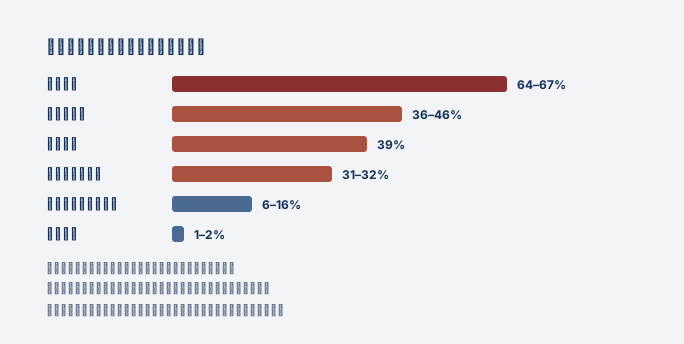
Resistance among E. coli in Hong Kong urine samples: 64–67% to ampicillin, 36–46% to levofloxacin, 39% to cefuroxime, 31–32% to co-trimoxazole, 6–16% to amoxicillin-clavulanate and 1–2% to nitrofurantoin. This is why leftover or self-bought antibiotics are a bad bet, and why the choice belongs to a doctor.
Source: Centre for Health Protection antibiotic guidance note · Read the original ›

Why not just take the leftovers from last time?

Because in Hong Kong the answer comes with figures, and the figures are not comforting. The Centre for Health Protection guidance carries local resistance data showing why “it worked last time” does not mean it will work now.

The guidance states that among E. coli isolated from urine samples in Department of Health and Hospital Authority out-patient settings, 64–67% were resistant to ampicillin, 36–46% to levofloxacin, 39% to cefuroxime, 31–32% to co-trimoxazole, 6–16% to amoxicillin-clavulanate, and only 1–2% to nitrofurantoin.

The point is direct: the box left in the drawer is quite likely to be one of the classes that now fails somewhere between a third and two-thirds of the time here. Taking it does not merely fail to help — it delays effective treatment while pushing the bacteria in a harder direction. Which medicine is appropriate is for a doctor to decide from the symptoms, any previous urine culture and local susceptibility data. This page lists no doses and no regimens.

The Centre for Health Protection’s advice to the public is equally explicit, and it is set out item by item.

The six things the Centre lists:

  • Do not ask your doctor for antibiotics
  • Use only antibiotics prescribed by a qualified health professional
  • Do not buy antibiotics without a prescription
  • Do not take leftover antibiotics
  • Never share antibiotics with others
  • Take them as directed, and do not stop early because you feel better

Why stress “do not ask”? The same material cites a local survey in which 54% of respondents wrongly believed antibiotics treat colds and flu, and notes that around 90% of upper respiratory tract infections do not need them. The misunderstanding is widespread, and it turns into pressure, which turns into unnecessary prescriptions.

What can be done alongside?

The NHS lists things to do and to avoid. These are supportive and preventive measures; they do not replace seeing a doctor, particularly where the urgent symptoms above are present.

On preventing repeated infections, the NHS mentions some evidence that certain products taken daily may help, while noting that the research is limited. That is not an established measure — and repeated infection is itself a reason to see a doctor and consider referral.

What to do, and what to avoid
DirectionWhatNote
DoWipe from front to backReduces bowel bacteria reaching the urethra
DoDrink plenty of waterNot drinking enough is a listed risk factor
DoPass urine after sex; wear cotton underwearPreventive measures listed by the NHS
AvoidHolding in urineNot applicable
AvoidScented soaps; tight clothingNot applicable

What matters particularly in Hong Kong?

Hong Kong has one local resource that bears unusually directly on this topic: the Centre for Health Protection’s community antibiotic guidance note on acute uncomplicated cystitis in women, which carries Hong Kong’s own pathogen and resistance data.

  • Centre for Health Protection guidance states that in midstream urine samples from Hospital Authority out-patient settings, E. coli is the most commonly isolated pathogen at about 52%, followed by Klebsiella pneumoniae at about 9%, Proteus mirabilis at about 5% and Streptococcus agalactiae at about 3%.Centre for Health Protection: antibiotic guidance note, acute uncomplicated cystitis in women · read · (source)
  • The same guidance states that among E. coli isolated from urine samples in Department of Health and Hospital Authority out-patient settings, 64–67% were resistant to ampicillin, 36–46% to levofloxacin, 31–32% to co-trimoxazole, and only 1–2% to nitrofurantoin.Centre for Health Protection: antibiotic guidance note, acute uncomplicated cystitis in women · read · (source)
  • The same guidance states that acute dysuria and frequency with an absence of vaginal discharge give a 90% positive predictive value for urinary tract infection in pre-menopausal women, and that the presence of vaginal discharge substantially reduces that probability.Centre for Health Protection: antibiotic guidance note, acute uncomplicated cystitis in women · read · (source)
  • The Centre for Health Protection advises the public not to ask doctors for antibiotics, not to buy them without a prescription, not to take leftover antibiotics, never to share them, and not to stop a course early on feeling better.Centre for Health Protection, Department of Health: antimicrobial resistance · read · (source)
  • The Centre for Health Protection cites a local survey in which 54% of respondents wrongly believed antibiotics could treat colds and flu, and notes that around 90% of upper respiratory tract infections do not require them.Centre for Health Protection, Department of Health: antimicrobial resistance · read · (source)

When is immediate help needed?

  • Confusion, drowsiness or difficulty speaking — get help immediately.
  • Fever, chills or rigors with back or side pain — the infection may have reached the kidneys.
  • Symptoms still getting worse after 48 hours.
  • Blood in the urine.
  • These symptoms in someone over 65, under 15, male, pregnant or with diabetes — seek care early rather than waiting.
  • Sudden confusion or agitation in an older person with no other obvious cause.
  • Repeated infections, or symptoms returning within two to four weeks of finishing treatment.

Each has its own page and doctor list

Frequently asked questions

Does pain passing urine always mean a UTI?
Not always, but it is likely. Centre for Health Protection guidance puts the positive predictive value at 90% in pre-menopausal women where acute dysuria and frequency occur without vaginal discharge; where discharge is present, the probability drops substantially and the direction may be different.
Can I take the antibiotics left over from last time?
No. The Centre for Health Protection advises explicitly against taking leftover antibiotics or buying them without a prescription. Local data show 64–67% of E. coli in urine samples resistant to ampicillin — “it worked last time” does not mean it will work now.
Can I stop once I feel better?
Not on your own. The Centre for Health Protection advises following the doctor’s instructions and not stopping early on feeling better. If symptoms return within two to four weeks of finishing treatment, tell the doctor — that is a situation calling for further investigation.
What suggests it has reached the kidneys?
The NHS notes that back or side pain, high fever and chills may indicate kidney involvement, which can lead to sepsis if untreated. The Centre for Health Protection guidance likewise treats fever, chills, rigor, unstable vital signs and flank pain as signs beyond acute uncomplicated cystitis that warrant referral.
Do men get urinary tract infections?
Yes. The NHS places men in the group that should seek care early rather than wait and watch. The Centre for Health Protection’s cystitis guidance covers women specifically, so a man’s situation needs separate assessment by a doctor.
Can sudden confusion in an older person be a UTI?
It can be. The NHS notes that in older people or those with a catheter it may show as changed behaviour — agitation or confusion — and worse leaking than usual. Where confusion, drowsiness or difficulty speaking appear, that is an emergency.

Sources

  1. NHS: urinary tract infections — how symptoms differ in adults, children and older people, when to seek care, the emergency signs, causes and risk factors, prevention, and repeated infections. NHS ()
  2. Centre for Health Protection: antibiotic guidance note on acute uncomplicated cystitis in women, full version — the local pathogen distribution, E. coli resistance rates, the positive predictive value for diagnosis, and the circumstances warranting referral. Only the epidemiological and diagnostic content is cited here; no dosing is reproduced. Centre for Health Protection, Department of Health ()
  3. Centre for Health Protection: antimicrobial resistance — the specific advice to the public, and the local survey figure on misunderstanding. Centre for Health Protection, Department of Health ()
  4. Centre for Health Protection: the community antibiotic guidance page — prescribing advice for seven common community infections, of which acute uncomplicated cystitis in women is one. Centre for Health Protection, Department of Health ()

This page is compiled from the Hong Kong official sources listed above. It is general information only — not a diagnosis, a treatment recommendation or medical advice, and no substitute for seeing a doctor. If you are unsure or your condition changes, consult a registered doctor.