ok.med

Also known as: Flashes · Posterior vitreous detachment ·

Floaters are small dark dots, squiggly lines, rings or cobweb shapes in the vision. The commonest cause is posterior vitreous detachment, a natural change in the gel inside the eye, and in itself harmless. But floaters or flashes appearing for the first time, appearing suddenly, suddenly increasing in number, or accompanied by a curtain-like shadow, blurred vision or eye pain need immediate assessment.

Hong Kong has 347 registered Ophthalmology doctors.

Source: Medical Council of Hong Kong register · read 2026-09-20

ok.med editorial team ·
Compiled by the editorial team from the sources listed below. Not reviewed by an individual doctor.

What are floaters?

Floaters are small dark dots, squiggly lines, rings or cobweb shapes that drift as the eye moves; flashes are sudden bursts of light in the field of vision. They can occur separately or together.

The commonest cause is posterior vitreous detachment — the gel inside the eye changing with age and separating from the retina. That process is harmless in itself and very common. Floaters can also arise from retinal detachment, which is serious, and sometimes they occur with no obvious cause.

A floater by itself therefore does not tell you which of these it is. The clue is not in the shape of the floater but in how it appeared and what came with it.

Which changes need immediate care?

The NHS lists seven situations requiring immediate assessment by an optometrist or clinician. Every one of them concerns a change rather than the presence of floaters as such.

The seven situations needing immediate assessment
SituationWhy it mattersWhat to do
Floaters or flashes for the first timeA new change that has never been assessedSeek care immediately rather than waiting
Appearing suddenly, or suddenly increasingSuddenness is characteristic of a retinal problemSeek care immediately
A dark curtain or shadow across the visionThis is the classic presentation of retinal detachmentSeek care immediately
With blurred vision or eye painFloaters do not hurt; pain points to something elseSeek care immediately
Beginning after eye surgery or injuryComplications of surgery or trauma need excludingSeek care immediately

Medical Council of Hong Kong register

347 Ophthalmology doctors in Hong Kong

All 347 ›

The doctors below are listed from the Medical Council of Hong Kong register. This is not a recommendation, and says nothing about outcomes for this condition. Ask the doctor directly.

These are Medical Council registration details, ordered by registration number. ok.med does not rate or recommend doctors, and holds no outcome or satisfaction data.

On ranking, we tell you the truth — today the order follows the Medical Council register. No scores, no sponsored places.

Our algorithm cares about one thing: whether this doctor is most useful to the patient. We publish the rules because trust should never rest on vagueness.

No doctor can pay for a higher ranking.

When is it not a worry?

The NHS notes that floaters present for a long time, not worsening, and with vision unaffected are typically benign. Flashes may eventually stop, and floaters often become less noticeable as a person gets used to them.

As for treatment, it is generally needed only where the floaters arise from something that could affect vision. What is treated is the underlying cause rather than the floaters themselves — which is why assessment is about telling the causes apart.

How should care be sought in Hong Kong?

The key is separating immediate from routine. The seven situations above are immediate and should not go through a routine specialist referral queue; anything else can follow the ordinary route via a doctor or optometrist.

That distinction matters particularly here, because the pressure on public ophthalmology is published. Replying to the Legislative Council in November 2024, the Government stated that about 69,000 older people were waiting for cataract surgery in public hospitals, with Kowloon West and New Territories West at 4.3 and 4.6 years.

Those are elective surgery waits rather than emergency response times — but they show why mistaking an urgent situation for a routine one is particularly costly here. Retinal detachment is time-sensitive and belongs on the emergency pathway.

At a glance

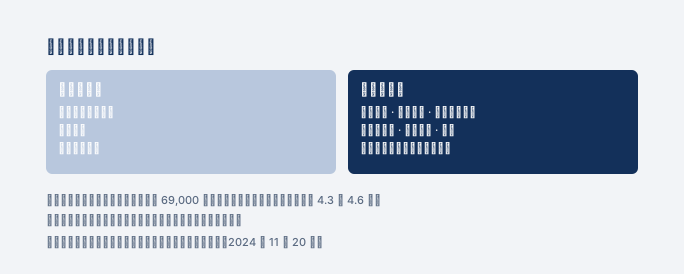
Floaters: routine or immediate. Long-sta

Floaters: routine or immediate. Long-standing, not worsening and with vision unaffected is usually benign; first appearance, sudden onset, a sudden increase, a curtain-like shadow, blurred vision, eye pain, or onset after eye surgery or injury all need immediate assessment.
Clinical material: NHS; waiting figures: Government reply to LegCo · Read the original ›

Where does this page’s information come from?

The clinical material is drawn from the NHS, because the Centre for Health Protection publishes nothing on floaters; the Hong Kong material is drawn entirely from local official sources.

Other guides on this site rely on Hong Kong official material wherever it exists. Where it does not, citing another credible authority is the honest course — but this page will not describe Hong Kong services, waits or costs from overseas material. That part uses local sources only.

The state of ophthalmology waits in Hong Kong

This section is not about floaters but about what mistaking an urgent situation for a routine one costs in Hong Kong. Every figure comes from published Government and Hospital Authority material.

  • In November 2024 the Government told the Legislative Council that about 69,000 older people were waiting for cataract surgery in public hospitals.LegCo Question 6: cataract surgery (20 November 2024) · read · (source)
  • The same reply stated that waits in the Kowloon West and New Territories West clusters ran to 4.3 and 4.6 years.LegCo Question 6: cataract surgery (20 November 2024) · read · (source)
  • The Hospital Authority runs the Cataract Surgeries Programme, with the patient paying no more than $8,000 against a flat $8,000 subsidy — an arrangement for elective surgery, not for emergencies.Hospital Authority: Cataract Surgeries Programme · read · (source)
  • The Department of Health’s Student Health Service provides visual health resources and vision screening for pre-school children, one of the routine local entry points for having sight checked.Student Health Service, Department of Health: visual health · read · (source)

What needs immediate assessment?

  • Floaters or flashes appearing for the first time.
  • Floaters or flashes appearing suddenly, or suddenly increasing in number.
  • A dark curtain or shadow moving across the vision — the classic sign of retinal detachment.
  • Accompanied by blurred vision or eye pain.
  • Floaters beginning after eye surgery or an eye injury.

Each has its own page and doctor list

Frequently asked questions

Are floaters dangerous?
Usually not. The commonest cause is posterior vitreous detachment, a natural change in the gel inside the eye. But floaters appearing for the first time, appearing suddenly, increasing suddenly, or accompanied by a curtain-like shadow, blurred vision or eye pain need immediate assessment.
Do floaters go away?
The NHS notes that flashes may eventually stop and that floaters often become less noticeable as a person gets used to them. Treatment is generally needed only where they arise from something that could affect vision.
What do flashes mean?
Flashes can accompany posterior vitreous detachment and can also indicate traction on the retina. Flashes appearing for the first time or suddenly are among the situations needing immediate assessment.
Why does urgency matter particularly in Hong Kong?
Because the elective pressure is published: about 69,000 older people waiting for cataract surgery, with two clusters at 4.3 and 4.6 years. Mistaking an urgent situation for a routine one is therefore particularly costly.
Why does this page cite British material?
Because the Centre for Health Protection publishes nothing on floaters. The clinical material therefore comes from the NHS, while everything about Hong Kong services, waits and costs uses local official sources only.
How is this different from a cataract?
A cataract is a gradual clouding of the lens that slowly blurs sight and is treated as elective surgery; floaters are debris in the vitreous that do not blur vision overall, but with certain accompanying changes they should not be queued at all.

Sources

  1. NHS: floaters and flashes in the eyes — causes, what marks out the benign case, and the seven situations needing immediate assessment. NHS ()
  2. LegCo Question 6 on cataract surgery — the number waiting and the waits by cluster for elective public ophthalmology. HKSAR Government Press Release (20 November 2024) ()
  3. Hospital Authority: the Cataract Surgeries Programme — the public-private arrangement for elective cataract surgery. Hospital Authority Public-Private Partnership Programmes ()
  4. Student Health Service, Department of Health: visual health — local eye health resources and pre-school vision screening. Student Health Service, Department of Health ()

This page is compiled from the Hong Kong official sources listed above. It is general information only — not a diagnosis, a treatment recommendation or medical advice, and no substitute for seeing a doctor. If you are unsure or your condition changes, consult a registered doctor.