ok.med

Also known as: Atopic dermatitis · Dermatitis ·

Eczema is a non-contagious inflammation of the skin marked by itch, dryness, redness and flaking, and it typically recurs. It arises from a combination of inherited tendency and environmental triggers. There is no one-off cure; treatment aims to control flares and reduce how often they return.

Hong Kong has 127 registered Dermatology & Venereology doctors.

Source: Medical Council of Hong Kong register · read 2026-09-20

ok.med editorial team ·
Compiled by the editorial team from the sources listed below. Not reviewed by an individual doctor.

What is eczema?

Eczema is an inflammatory reaction of the skin. It is not contagious and cannot be caught from another person. The Department of Health notes that in children it commonly appears on the cheeks, around the lips, on the wrists, the inner elbows and in skin folds.

Typical features are itch, dry skin, redness and swelling with blisters; when blisters break they weep, then crust and flake. Where flares recur, the affected skin can thicken and coarsen. Broken skin may also become infected with bacteria.

Some people with eczema also have allergic rhinitis or asthma. The three are often regarded as different expressions of the same underlying tendency, which is why a doctor may ask about nasal and airway history when assessing eczema.

What causes eczema?

There is no single cause. The factors listed by the Department of Health include inherited tendency, environmental allergens, and certain food proteins.

Common triggers listed by the Department of Health, and what each means day to day
CategoryExamplesWhat it means day to day
Inherited tendencyFamily history of eczema, allergic rhinitis or asthmaCannot be changed, but knowing the triggers early reduces how often flares happen
Environmental allergensDust, wool, pollen, pet hair and danderCarpets, soft toys and pets are the commonest household sources, and contact can be reduced deliberately
Food proteinsEgg, seafood, dairy, beef, peanutNot the same for everyone; cutting foods out unilaterally can affect nutrition, so confirm with a doctor first
Sweat and heatHot humid weather, not washing after strenuous exerciseParticularly relevant in a Hong Kong summer; how breathable clothing is bears directly on control

Medical Council of Hong Kong register

127 Dermatology & Venereology doctors in Hong Kong

All 127 ›

The doctors below are listed from the Medical Council of Hong Kong register. This is not a recommendation, and says nothing about outcomes for this condition. Ask the doctor directly.

These are Medical Council registration details, ordered by registration number. ok.med does not rate or recommend doctors, and holds no outcome or satisfaction data.

On ranking, we tell you the truth — today the order follows the Medical Council register. No scores, no sponsored places.

Our algorithm cares about one thing: whether this doctor is most useful to the patient. We publish the rules because trust should never rest on vagueness.

No doctor can pay for a higher ranking.

How should eczema be managed day to day?

The Department of Health’s advice centres on three things: the temperature of the bath, the choice of cleanser, and the fabric worn. None of this replaces what a doctor prescribes, but each bears directly on the state of the skin barrier.

Day-to-day care as advised by the Department of Health
ItemAdviceWhy it matters
Bath temperatureKeep the water moderate; avoid hot bathsHot water strips surface oils, worsening dryness and itch
CleansersAvoid soap and scented cleansersFragrance and alkaline cleansers are common irritants
MoisturisingUse moisturisers regularly to keep the skin hydratedMoisturising maintains the skin barrier; it is not only for flares
ClothingChoose absorbent, breathable pure cottonWool and non-breathable fabrics rub and trap heat against the skin
MedicationUse at the times and amounts your doctor directs; report any adverse skin reaction to them at onceThis page recommends no medicine or dose; that is for the treating doctor to decide

What types of eczema are there?

Replying to the Legislative Council in 2018, the Government set out the usual division into endogenous and exogenous types. The endogenous group includes atopic eczema, seborrhoeic dermatitis and xerotic (dry) eczema; the exogenous group is typified by contact dermatitis.

The classification matters because it points treatment in different directions. With contact dermatitis the key is identifying and avoiding what provokes it. Xerotic eczema is tied directly to dry skin, so moisturising carries more of the load. Atopic eczema often appears alongside allergic rhinitis and asthma as expressions of the same underlying tendency.

Deciding which type is involved needs a clinical examination and this page is no substitute for one. Setting the classification out is meant to show that “eczema” is not one disease, and that the questions a doctor asks — what you handle at work, whether anyone in the family has hay fever — are how these types are told apart.

The classification set out by the Government, and what each turns on
TypeGroupWhat it turns on
Atopic eczemaEndogenousOften accompanies allergic rhinitis and asthma; a long-running constitutional pattern
Seborrhoeic dermatitisEndogenousTends to affect the scalp and oilier areas of the face
Xerotic (dry) eczemaEndogenousTied directly to dry skin, so moisturising carries most of the load
Contact dermatitisExogenousTurns on identifying and avoiding whatever provokes it

At a glance

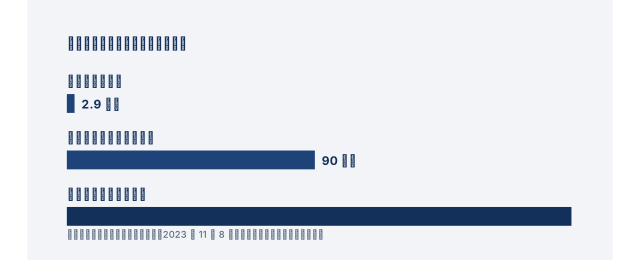
Department of Health dermatology waiting

Department of Health dermatology waiting times compared: severe new cases a median of 2.9 weeks, other stable new cases a median of 90 weeks, longest 183 weeks.
Data: Government reply to LegCo, 8 November 2023 · Read the original ›

How do the public and private routes differ?

Dermatology in Hong Kong is provided by both the Department of Health and the Hospital Authority, with different roles, and waiting time is the most practical difference between the routes.

The Government states that most eczema is mild and handled in primary care, with severe or urgent cases referred on to Department of Health dermatology clinics. In practice that means a general out-patient clinic or a family doctor is usually the first stop, not a specialist.

The Department of Health’s social hygiene service is substantial — roughly 300,000 attendances a year, of which more than 200,000 are for skin conditions. The scale explains the pressure behind the waiting figures, and why the wait for a “severe” new case and a “stable” one differ by a factor of tens.

How the three routes actually differ
RouteWaiting timeWhen it applies
Primary care / family doctorAs the clinic schedulesThe Government says most mild cases are handled here; usually the first stop
DH dermatology, severe new caseMedian 2.9 weeks, all within eightReferred cases triaged as severe
DH dermatology, other stable new caseMedian 90 weeks, longest 183Stable cases still needing a specialist opinion

What local support exists?

The Hospital Authority’s Smart Patient Website carries a community-resources page for eczema listing local patient support groups, among them a parents’ group for children with eczema based at the patient resource centre of United Christian Hospital.

The burden of a long-running skin condition is not only on the skin. Recurrent eczema affects sleep, concentration and mood, and the parents of affected children carry a real load of their own. Support groups offer the practical experience of people in the same position — no substitute for medical advice, but genuine support across a long wait.

What can still be done while waiting is already set out above and none of it is new advice: keep to the Department of Health’s guidance on moisturising and avoiding known triggers; stay under primary care or a family doctor, which is how the Government says most cases are handled anyway; and watch for the warning signs listed earlier, of which the signs of skin infection should not wait for a specialist appointment. None of this shortens the wait, but it reduces the chance of deteriorating during it.

How long is the public dermatology wait in Hong Kong?

This is the part a Hong Kong reader most needs and that no overseas page can answer. Replying to the Legislative Council on 8 November 2023, the Government published the Department of Health’s dermatology waiting times: severe cases are measured in weeks, other stable new cases in years.

  • Department of Health dermatology clinics, severe skin disease new cases: all were given an appointment within eight weeks, with a median wait of 2.7 weeks (2022) and 2.9 weeks (2023 to 30 September).LegCo Question 17: Provision of treatment for eczema patients (8 November 2023) · read · (source)
  • At the same clinics, other stable new cases: a median wait of 90 weeks, with the longest waits reaching 178 weeks (2022) and 183 weeks (2023).LegCo Question 17: Provision of treatment for eczema patients (8 November 2023) · read · (source)
  • Eczema attendances at Hospital Authority general out-patient clinics: 82,093 in 2018/19, then 77,054, 81,843 and 74,768, falling to 56,028 in 2022/23.LegCo Question 17: Provision of treatment for eczema patients (8 November 2023) · read · (source)
  • The Government also stated that most eczema patients have mild symptoms managed by primary care doctors, with severe or urgent cases referred on to Department of Health dermatology clinics. Nine dermatologists with specialist qualifications work in the Department’s social hygiene service; the Hospital Authority employs four.LegCo Question 17: Provision of treatment for eczema patients (8 November 2023) · read · (source)

When should you see a doctor?

  • Yellow crusting, pus, spreading redness or fever — the skin may have become infected.
  • Itch severe enough to disturb sleep, or interfering with daily activity, school or work.
  • Continued worsening despite the care above, or flares becoming more frequent.
  • Widespread rash in an infant or young child, or weeping and crusting skin.
  • An adverse skin reaction to a prescribed medicine — tell the prescribing doctor at once; do not stop or increase it on your own.

By district

Which districts have Dermatology & Venereology doctors?

Frequently asked questions

Is eczema contagious?
No. The Department of Health states plainly that eczema is not contagious: it cannot be passed on by contact, by sharing things, or by swimming together.
Can eczema be cured for good?
There is no one-off cure. The aim of treatment is to control the condition, reduce flares and settle them quickly when they happen. Some children improve as they get older, but this varies and is for a doctor to assess.
Do I have to cut foods out?
Not necessarily. The Department of Health lists egg, seafood, dairy, beef and peanut among possible triggers, but these differ from person to person. Cutting foods out unilaterally can affect nutrition, especially in children — confirm with a doctor which foods are actually involved.
The public wait is too long — what are the options?
On the Government’s 2023 figures, the median wait for other stable new cases at Department of Health dermatology clinics was 90 weeks. Mild symptoms can usually be managed first in primary care or by a family doctor; where specialist care is wanted, Hong Kong has registered dermatology and venereology specialists. ok.med does not recommend any individual doctor — it publishes Medical Council registration details so you can check and compare yourself.
What is the difference between eczema and a skin allergy?
“Skin allergy” is everyday language for the skin reacting to something. Eczema is a clinical diagnosis: a particular pattern of skin inflammation, with features such as recurrence and thickened, dry skin. The two can overlap, but only a doctor’s examination distinguishes them.
Why does it keep coming back even after seeing a doctor?
Because there is no one-off cure: treatment aims to control the condition and reduce flares, not to remove the underlying tendency. Eczema is by nature a recurring inflammation, and its triggers shift with the season, with work and with where you live — so a flare after a settled spell does not mean the earlier treatment failed.
Is moisturiser only for when it flares?
No. The Department of Health advises using moisturisers regularly to keep the skin hydrated — that is, as a routine baseline measure rather than something reserved for flares.

Sources

  1. Department of Health, Student Health Service: eczema — causes, symptoms and care advice. Student Health Service, Department of Health ()
  2. LegCo Question 17, Provision of treatment for eczema patients — public clinic attendances, dermatology waiting times and specialist staffing. HKSAR Government Press Release (8 November 2023) ()
  3. LegCo Question 4, Treatment for eczema patients — endogenous and exogenous classification, Department of Health new-case figures and social hygiene service volume. HKSAR Government Press Release (28 November 2018) ()
  4. Hospital Authority Smart Patient Website: community resources and patient support groups for eczema. Hospital Authority Smart Patient Website ()

This page is compiled from the Hong Kong official sources listed above. It is general information only — not a diagnosis, a treatment recommendation or medical advice, and no substitute for seeing a doctor. If you are unsure or your condition changes, consult a registered doctor.