ok.med

Also known as: Autism spectrum disorder · Autism ·

Asperger syndrome sits within autism spectrum disorder. The Department of Health’s Child Assessment Service describes the spectrum as a developmental condition present from birth, involving varying degrees of difficulty in social communication and in cognition, emotion and behaviour. Signs generally begin to be noticed between one and two years of age, earlier where more pronounced, and assessment in Hong Kong is provided by seven Child Assessment Centres for children under 12.

Hong Kong has 652 registered Paediatrics doctors.

Source: Medical Council of Hong Kong register · read 2026-09-20

ok.med editorial team ·
Compiled by the editorial team from the sources listed below. Not reviewed by an individual doctor.

Is Asperger syndrome the same as autism?

Asperger syndrome falls within the autism spectrum. The word “spectrum” is doing real work: this is not one state but a range of presentations differing in degree and in kind.

The Child Assessment Service defines it as a developmental condition present from birth, with varying degrees of difficulty in social communication and in cognition, emotion and behaviour. “Present from birth” matters: it is not caused by parenting or by later environment.

What are the features?

The Child Assessment Service sets out seven areas of core features, covering social interaction, communication, behaviour and sensory response.

The seven core features set out by the Department of Health
AreaHow it showsWhat a parent often notices
Social interactionPrefers to play alone, pays little attention to other childrenLittle eye contact or emotional exchange
Non-verbal communicationAs a toddler, little eye contact and less pointing to indicate wantsPulls an adult’s hand rather than pointing
Repetitive behaviourLining objects up, opening and closing cupboard doors, spinning wheelsThe same action can continue for a long time
Insistence on samenessFinds change hard — a walking route, where things are kept, what foods are eatenChanging the routine provokes a strong reaction
Narrow interestsMemorising bus routes, traffic signs, MTR station names, mapsMemory within that area can be remarkable
Sensory responseExtreme fear or aversion to certain sounds or texturesNoisy places are particularly hard

Medical Council of Hong Kong register

652 Paediatrics doctors in Hong Kong

All 652 ›

The doctors below are listed from the Medical Council of Hong Kong register. This is not a recommendation, and says nothing about outcomes for this condition. Ask the doctor directly.

These are Medical Council registration details, ordered by registration number. ok.med does not rate or recommend doctors, and holds no outcome or satisfaction data.

On ranking, we tell you the truth — today the order follows the Medical Council register. No scores, no sponsored places.

Our algorithm cares about one thing: whether this doctor is most useful to the patient. We publish the rules because trust should never rest on vagueness.

No doctor can pay for a higher ranking.

When do signs appear?

The Child Assessment Service states that signs generally begin to be noticed between one and two years of age, and before the age of one where they are more pronounced.

Worth noting is that “begins to be noticed” and “begins to exist” are not the same. The condition is present from birth, but differences in social communication often only become visible once a toddler starts spending time with other children — so the point of recognition tends to follow a change in setting, such as starting kindergarten.

On how common it is, the Service cites 2020 figures from the United States Centers for Disease Control: one in every 54 eight-year-olds has autism spectrum disorder, and it is more frequent in boys, at a ratio of about four or five to one.

Where can a child be assessed?

Hong Kong has defined entry points. Where a parent suspects autism spectrum symptoms, the Department advises an initial assessment in the community — a Maternal and Child Health Centre for a pre-school child, the Student Health Service for a school-age child, or a family doctor, clinical psychologist or educational psychologist.

Where further assessment is needed a referral follows. The government bodies providing professional assessment and diagnosis include the Department of Health’s Child Assessment Centres and the Hospital Authority’s child and adolescent mental health services.

The Child Assessment Service covers children under 12 with developmental or behavioural concerns, through seven Child Assessment Centres. The team includes paediatricians, nurses, audiologists, clinical psychologists, occupational therapists, optometrists, physiotherapists, speech therapists and medical social workers.

At a glance

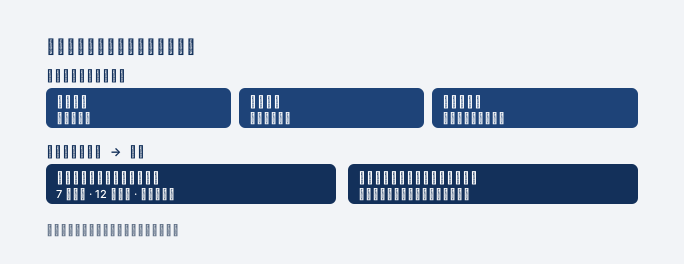
The assessment pathway in Hong Kong: pre

The assessment pathway in Hong Kong: pre-school children through Maternal and Child Health Centres, school-age children through the Student Health Service or a family doctor, with referral where needed to a Child Assessment Centre or Hospital Authority child and adolescent mental health services.
Source: Child Assessment Service, Department of Health · Read the original ›

What support follows an assessment?

Support is staged by age. Before school it includes Early Education and Training Centres, on-site pre-school rehabilitation services and Special Child Care Centres; at school age it is either a special school or a mainstream school with Education Bureau support.

For parents, non-governmental organisations run talks, counselling and training. The Department has also introduced triage so that urgent and more severe cases are assessed first; the actual wait depends on the complexity and circumstances of the individual case.

Why does this page not help you decide?

Because diagnosis is made by a multidisciplinary team, drawing on developmental history, direct observation and standardised assessment. It cannot be reached by matching a child against a list of features.

The seven features are set out so that a parent knows what is worth raising with a doctor, not so they can decide for themselves. ok.med has appointed no named medical reviewer; this page reports what the Department of Health publishes, with sources and dates. The paediatricians listed below come from Medical Council registration records, to check and compare — ok.med does not rate or recommend doctors.

How does assessment work in Hong Kong?

Hong Kong runs an assessment service under the Department of Health specifically for children under 12, with published entry points, team composition and triage arrangements. This is the part no overseas page can supply.

  • The Department of Health’s Child Assessment Service is for children under 12 with developmental or behavioural concerns, delivered through seven Child Assessment Centres. It is more frequent in boys, at a ratio of about four or five to one.Child Assessment Service, Department of Health: scope of service · read · (source)
  • The Department’s team draws on nine professions: paediatricians, nurses, audiologists, clinical psychologists, occupational therapists, optometrists, physiotherapists, speech therapists and medical social workers.Child Assessment Service, Department of Health: scope of service · read · (source)
  • The Department states signs begin to be noticed between one and two years of age, earlier where more pronounced, and cites 2020 US CDC figures of one in 54 eight-year-olds.Child Assessment Service: autism spectrum disorder · read · (source)
  • The Department has introduced triage so that urgent and more severe cases are assessed first; the actual wait depends on the complexity and circumstances of the individual case.LegCo Question 21: Child Assessment Service (20 May 2020) · read · (source)

When is it worth seeking help early?

  • Little eye contact after the first year, or rarely pointing to indicate a want.
  • Markedly delayed speech, or speech that was present and has regressed.
  • Strong reactions to small changes in routine, to the point of disrupting family life.
  • Extreme fear or aversion to sounds or textures, affecting eating, dressing or school.
  • A teacher raising social or behavioural concerns — the Student Health Service is one of the Department’s entry points.

Frequently asked questions

What is the difference between Asperger syndrome and autism?
Asperger syndrome falls within the autism spectrum. “Spectrum” refers to a range of presentations differing in degree and kind; the classification and the diagnosis are for a professional team to make.
From what age can a child be assessed?
The Child Assessment Service covers children under 12. Signs generally begin to be noticed between one and two years of age, and earlier where more pronounced.
Who should a parent approach first?
A Maternal and Child Health Centre for a pre-school child, the Student Health Service for a school-age child, or a family doctor, clinical psychologist or educational psychologist. A referral follows where further assessment is needed.
How long is the wait?
The Department operates triage so urgent and more severe cases are seen first; the actual wait depends on the complexity and circumstances of the case.
Is it caused by parenting?
No. The Department defines it as a developmental condition present from birth, not one caused by how a child is raised.
What support is available after diagnosis?
Before school: Early Education and Training Centres, on-site pre-school rehabilitation and Special Child Care Centres. At school age: a special school or mainstream school with Education Bureau support. Non-governmental organisations also run talks, counselling and training for parents.

Sources

  1. Child Assessment Service, Department of Health: autism spectrum disorder — definition, the seven core features, prevalence and when signs appear. Child Assessment Service, Department of Health ()
  2. Child Assessment Service: scope — who it serves, how many centres, and the composition of the team. Child Assessment Service, Department of Health ()
  3. LegCo Question 21 on the Child Assessment Service — triage arrangements and waiting. HKSAR Government Press Release (20 May 2020) ()
  4. LegCo Question 18 on support for children with special needs — the overall assessment and support arrangements. HKSAR Government Press Release (26 February 2020) ()

This page is compiled from the Hong Kong official sources listed above. It is general information only — not a diagnosis, a treatment recommendation or medical advice, and no substitute for seeing a doctor. If you are unsure or your condition changes, consult a registered doctor.